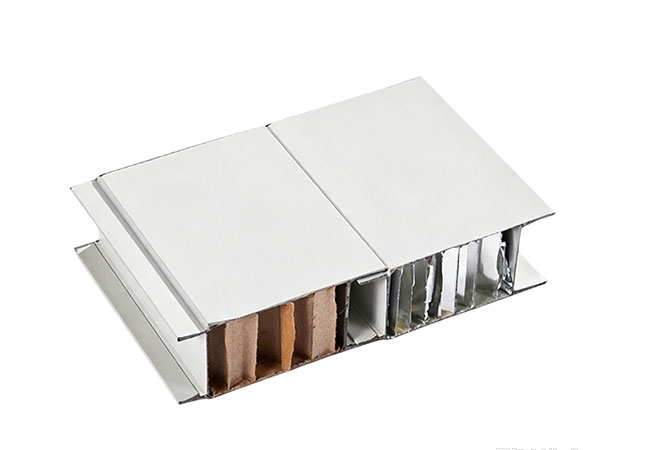
Handmade and Mechanized Purification Board
As a professional building materials manufacturer, Jason Building Materials offers both handmade and mechanized purification boards. By combining precision manual edge-sealing techniques with standardized mechanical production, these boards deliver enhanced sealing performance and structural stability; capable of meeting rigorous cleanroom acceptance standards, they serve as the core specialized paneling for high-end aseptic purification projects.
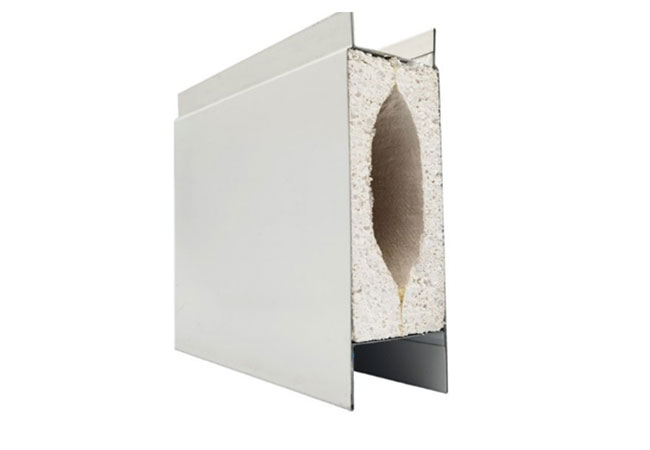
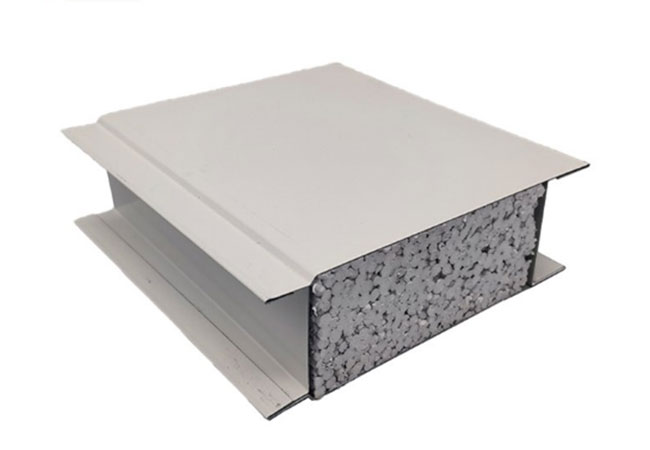
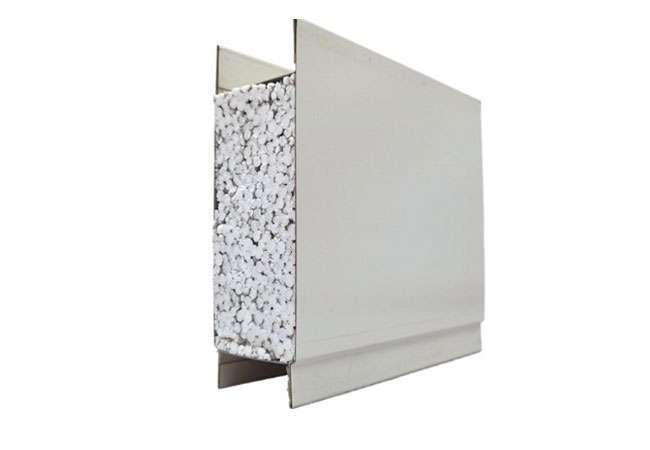
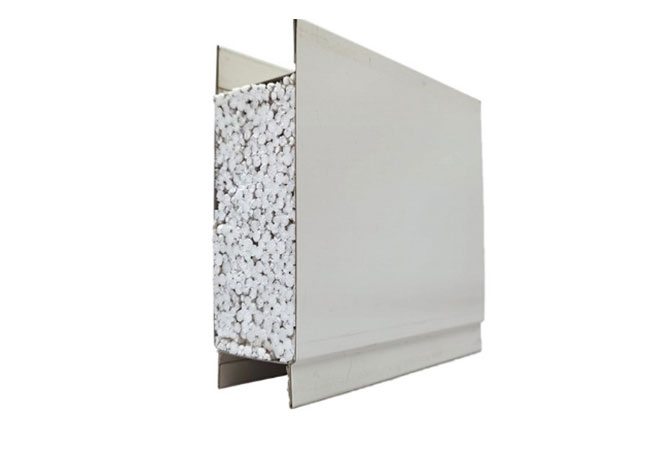
This Handmade and Mechanized Purification Board innovatively combines standardized machine-automated core filling and molding with precision manual edge sealing. It offers the structural uniformity and dimensional stability characteristic of machine-made panels, while featuring meticulously hand-finished edges that are tight, seamless, and void-free.
Jason Building Materials offers custom-made panels in non-standard dimensions and specialized shapes to meet specific project requirements, serving high-grade cleanroom environments such as vaccine production facilities, sterile pharmaceutical workshops, operating rooms in top-tier (Grade A) hospitals, and biological laboratories.
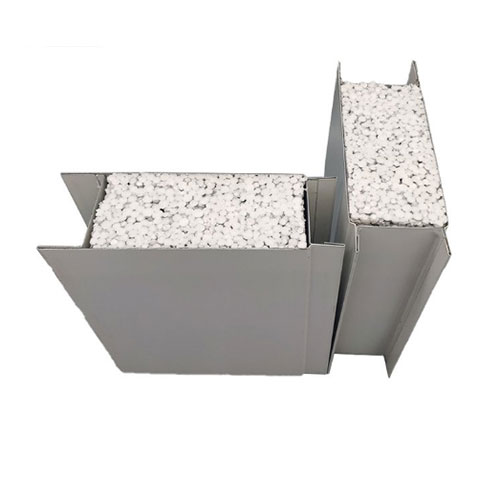
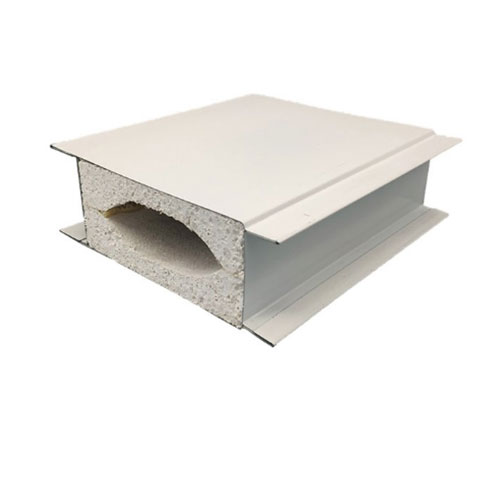
What is Handmade and Mechanized Purification Board?
Handmade and mechanized purification board is not two different panels, but a hybrid purification panel that combines manual edge sealing technology and mechanical molding technology.
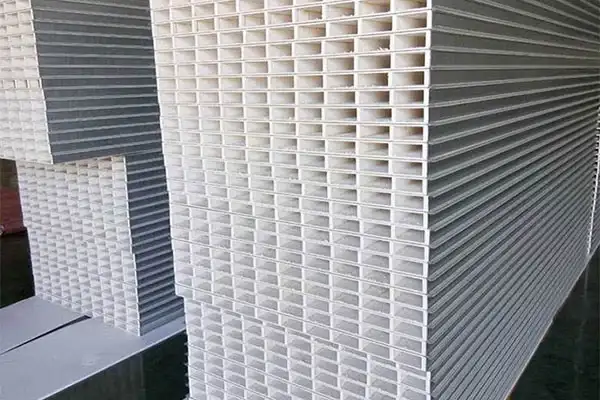
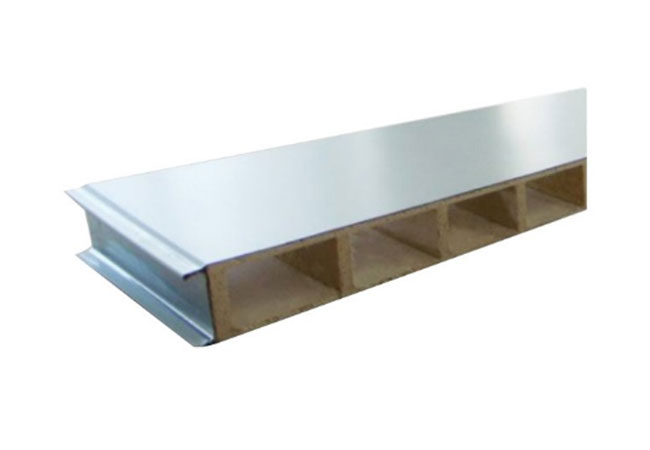
Its structure is: the core material is filled and molded through a mechanized production line, while the four edges are precisely sealed manually.
The advantage of this approach is — it obtains both the uniform core filling and high production efficiency of mechanized boards, while solving the weaknesses of mechanized boards such as insufficient edge sealing and susceptibility to air and dust leakage.
Handmade Board vs. Mechanized Board Selection Comparison
The main differences between handmade boards and mechanized boards are reflected in the following dimensions:
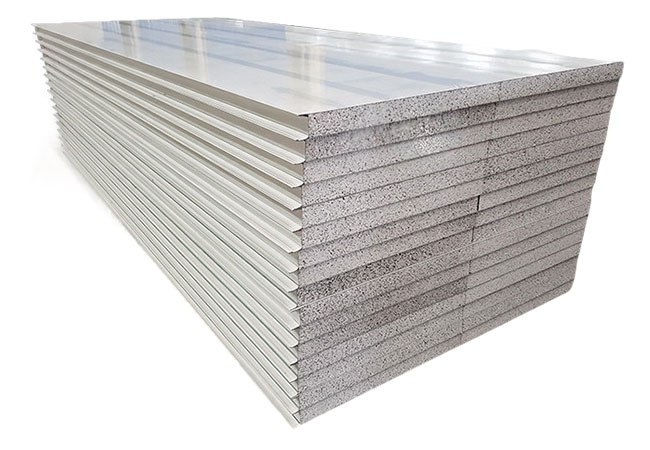
Production Efficiency: Mechanized boards use continuous production, with daily capacity up to 2000m² or more; handmade boards use intermittent molding, with daily capacity approximately 500 – 800m².
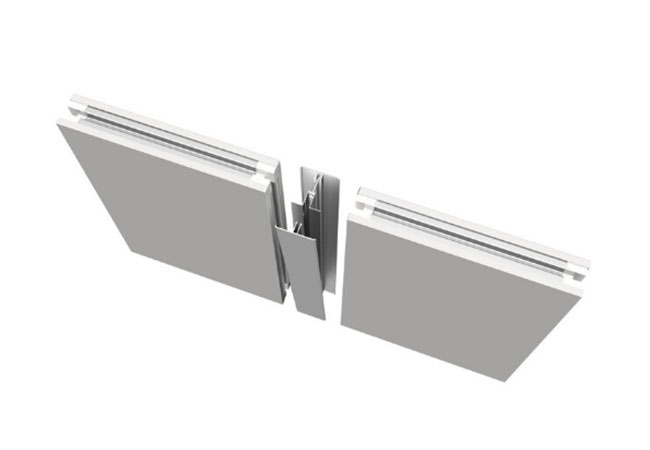
Sealing Structure: Handmade boards use central aluminum frame connections with tight four-edge sealing, superior airtightness to mechanized boards; mechanized boards use tongue-and-groove interlocking connections, with sealing sufficient for conventional cleanliness requirements.
Customization Capability: Handmade boards support non-standard sizes and special-shaped panels, with minimum width down to 200mm; mechanized boards are limited by molds with lower flexibility.
Cost: Mechanized boards, due to mass production, have unit prices approximately 15% – 25% lower than handmade boards.
Selection Suggestion: Choose handmade boards for projects requiring Class 100 and above cleanliness grades, special sizes, or through-wall pipe requirements. Choose mechanized boards for conventional Class 10,000 and Class 100,000 workshops and large-area projects requiring extremely fast delivery.
Core Advantages
1. Full Four-Edge Sealing: Manual sealing ensures all four edges of the panel are completely covered by sealing material, with no exposed core edges. This is crucial for high cleanliness grade (Class 100, Class 1000) acceptance — because exposed core edges are the main channel for dust and microbial penetration.
2. High Dimensional Accuracy: The mechanized part ensures panel length and width diagonal error ≤ 1.5mm. Manual edge sealing allows secondary trimming of edges, finally controlling the gap between panels during installation within 2mm.
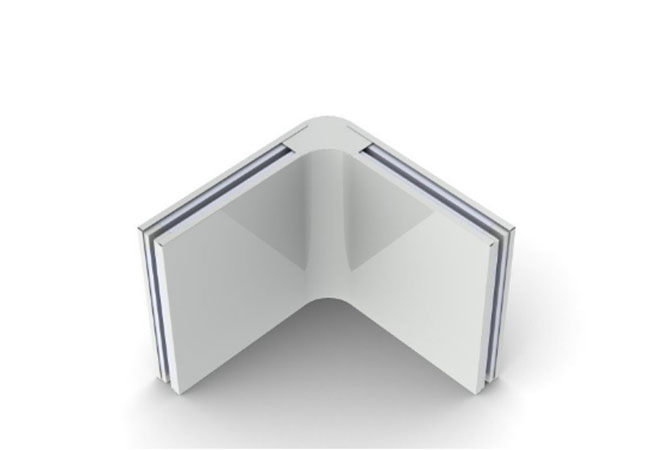
3. Flexible Splicing: Manual edge sealing allows panels to be made with non-standard tongue-and-groove shapes, adapting to corner splicing of special wall corners and column corners.
When to Choose Handmade and Mechanized Purification Board?
Ordinary Class 10,000 workshops can use mechanized boards to meet requirements with lower cost. However, when the following conditions exist, handmade & mechanized boards are recommended:
(1) Cleanliness grade requirement of Class 100 or Class 1000 — strict limits on air leakage rate and airtightness
(2) Project has a large number of through-wall pipes — personalized sealing treatment required around pipes
(3) Panels need precise integration with existing civil engineering walls — on-site edge trimming and cutting required
(4) Wall height exceeding 4.5 meters — long-size panels have higher requirements for end sealing
Custom Service
Handmade & mechanized boards support highly customized services:
- Panel Length: Maximum 6.5m (beyond this size requires splicing)
- Special Sizes: Customized according to CAD drawings
- Through-Wall Pipe Openings: Pre-cut openings available. Opening edges are manually sealed and reinforced. After pipe installation, sealing rubber rings complete the airtight treatment of pipe penetration.
- Color: Customized according to RAL color chart
Samples & Testing
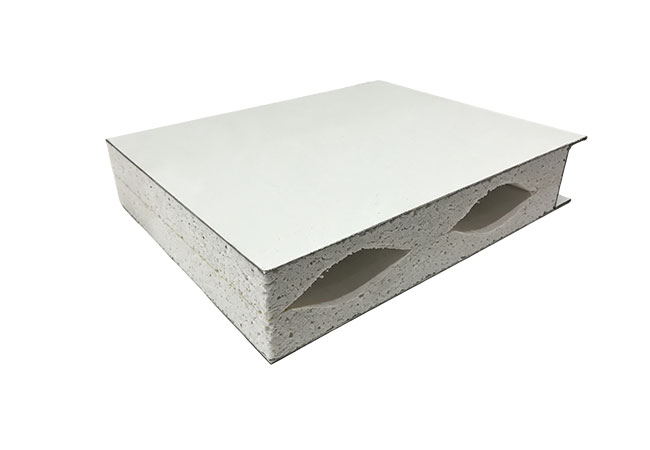
Cross-section samples of handmade boards and mechanized boards can be provided for comparison (200mm long, including complete cross-section structure). Customers can directly observe the differences in core filling fullness and edge sealing treatment between the two panels through comparison.
For test reports, the following can be provided: copies of panel flexural load capacity test, airtightness test, core material density and fire test reports. Test reports are delivered together with the first batch of goods.
Handmade and Mechanized Purification Board vs Pure Mechanized Board Core Differences
| Comparison Dimension | Pure Mechanized Board | Handmade & Mechanized Board |
| Core Filling Method | Mechanical automatic filling | Mechanical filling + manual supplementary filling |
| Four-Edge Sealing | None / Mechanized edge folding | Manual edge sealing |
| Airtightness Grade | Class 1,000 – 10,000 | Class 100 – 1,000 |
| Non-Standard Customization Capability | Limited | Flexible |
| Price | Benchmark | +15% – 25% |
FAQ
Q1: What is the difference between handmade and mechanized purification board and ordinary mechanized board?
A1: The main difference is the four-edge sealing. Ordinary mechanized boards use simple edge folding without additional sealing treatment. Handmade & mechanized boards use manual edge sealing, completely covering the core edges to prevent dust and microbial penetration. Airtightness is significantly better, meeting Class 100 and Class 1000 standards.
Q2: Is the price of handmade and mechanized board much higher than mechanized board?
A2: Handmade & mechanized boards are approximately 15% – 25% higher than pure mechanized boards. The price increase comes from additional manual edge sealing processes and higher quality materials. For projects requiring Class 100 and above cleanliness grades, this cost increase is reasonable.
Q3: What cleanliness grade can handmade & mechanized board achieve?
A3: Handmade & mechanized boards can meet the acceptance standards of Class 100 and Class 1000 clean spaces, suitable for high-end medical, biological research and precision electronic industries.
Send Inquiry
Contact Info
-
Address
Chengxi Village, Xincheng Town, Huantai County, Zibo City, Shandong Province, China
-
Tel
-
Email
Zibo Jiesen Building Materials Environmental Protection Technology Co., Ltd.
Company Address
Chengxi Village, Xincheng Town, Huantai County, Zibo City, Shandong Province, China
Contact Information
News Recommendations