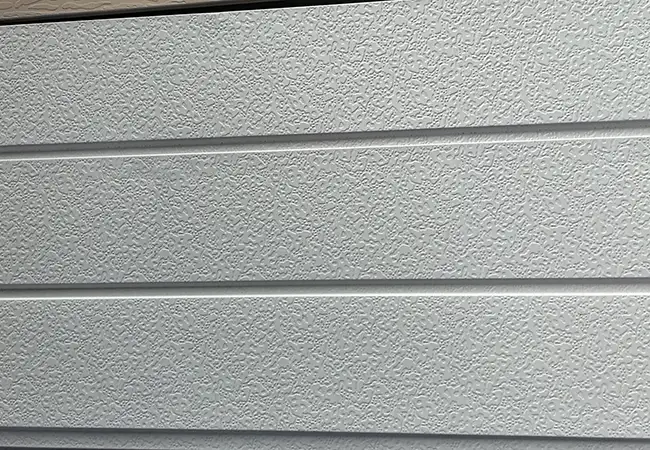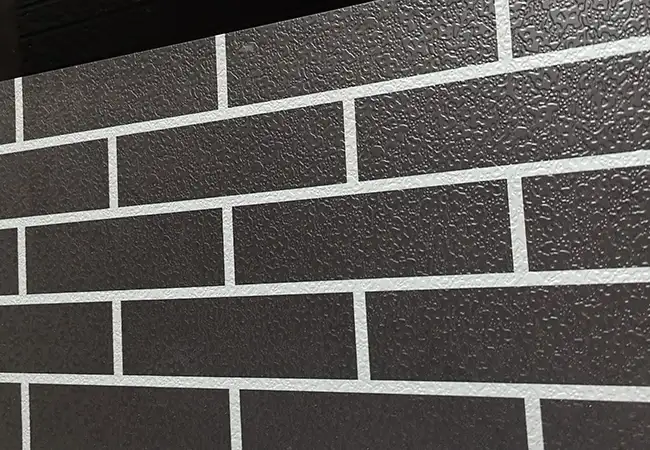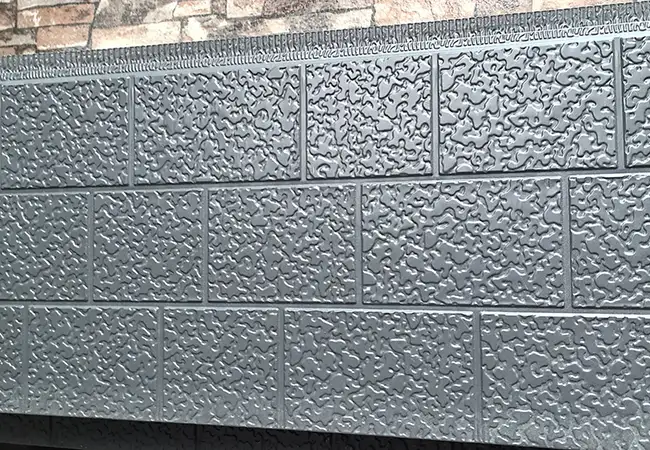
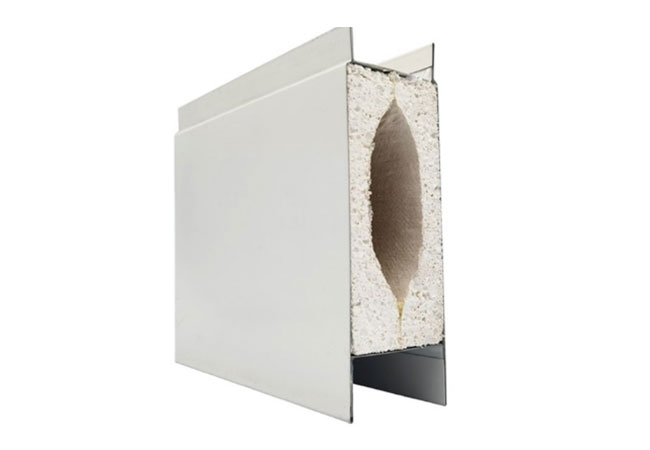
Clean Sandwich Panel
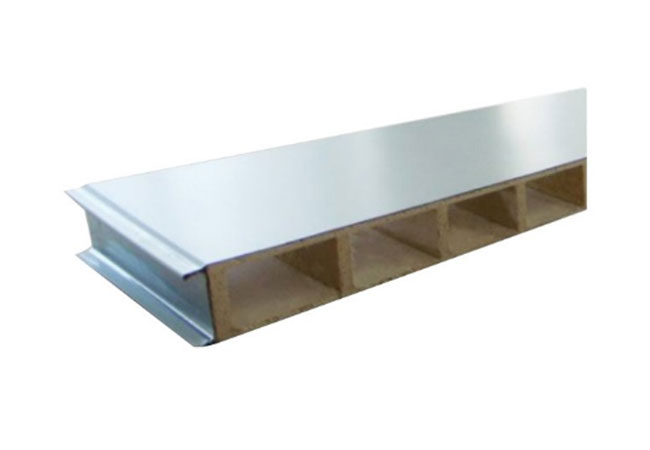
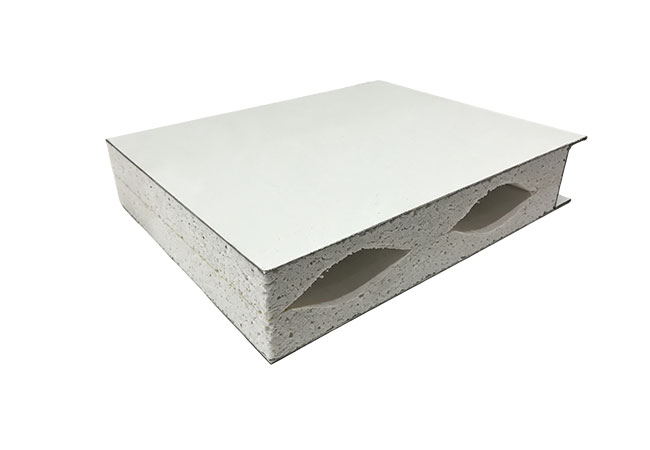
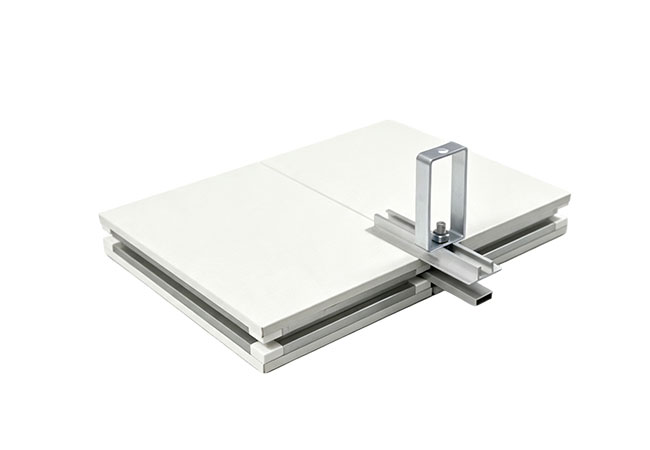
Jason Building Materials offers Clean Sandwich Panels; as an experienced manufacturer, we provide customized solutions tailored to project requirements. These panels feature dual metal facings bonded to a fire-retardant core designed for cleanroom environments, offering excellent airtightness, dust-free surfaces, and ease of cleaning, alongside fire resistance and thermal insulation properties.
The surface of the Clean Sandwich Panel undergoes a precision curing process, delivering stable thermal insulation, soundproofing, and fire- and moisture-resistant capabilities.
In terms of physical structure, the panel offers exceptional resistance to compression, impact, and deformation, making it suitable for high-frequency operational environments involving factory equipment transport, material handling, and personnel activity.
What is Clean Sandwich Panel?
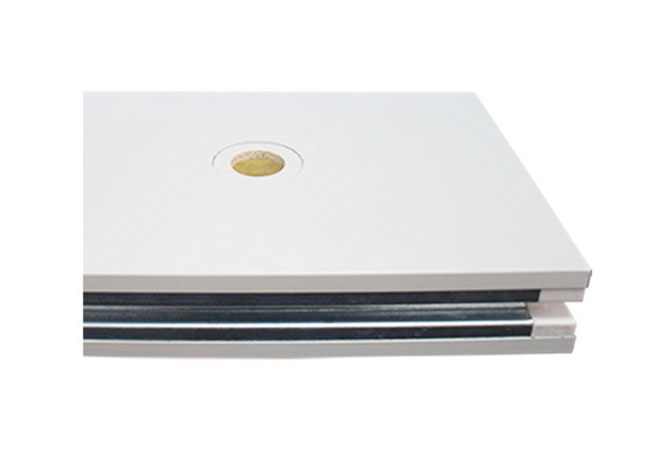
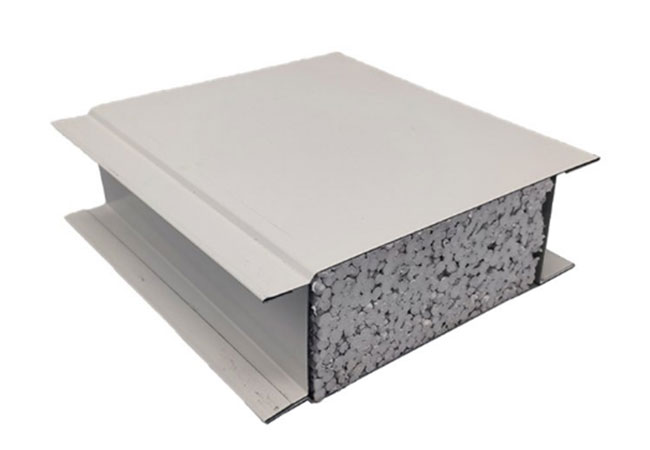
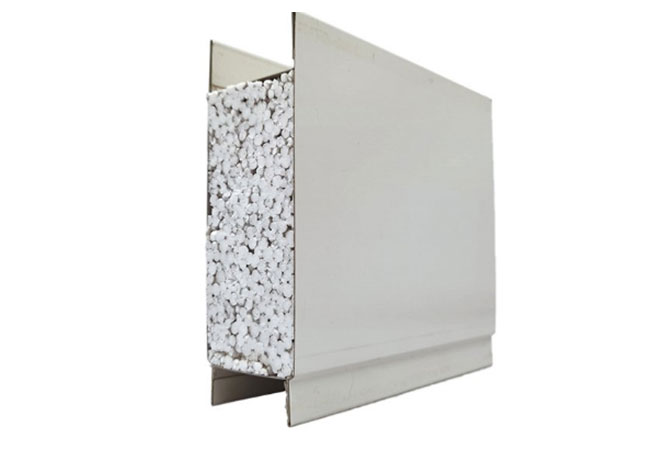
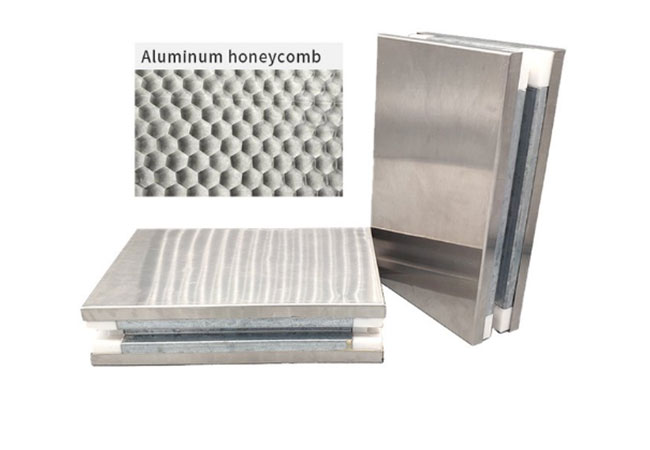
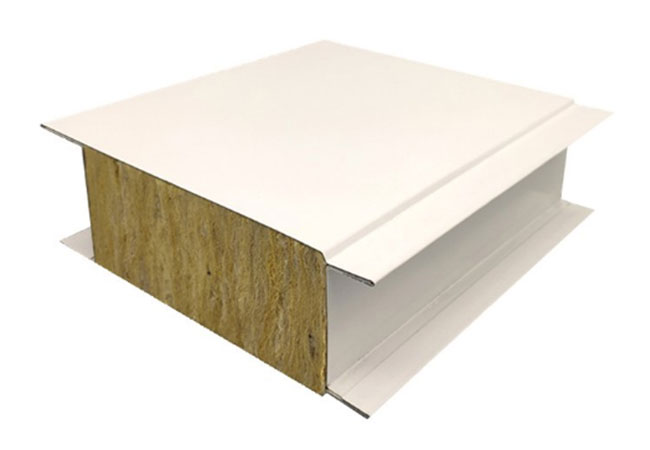
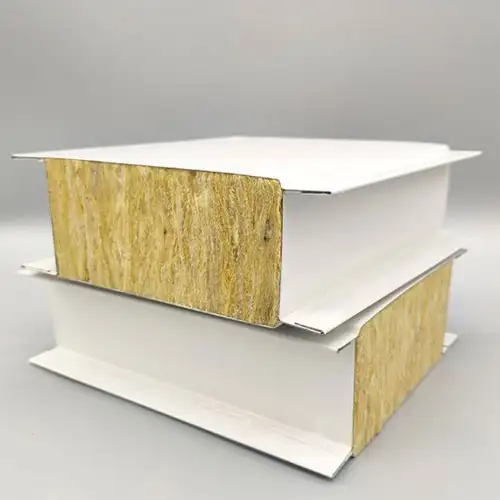
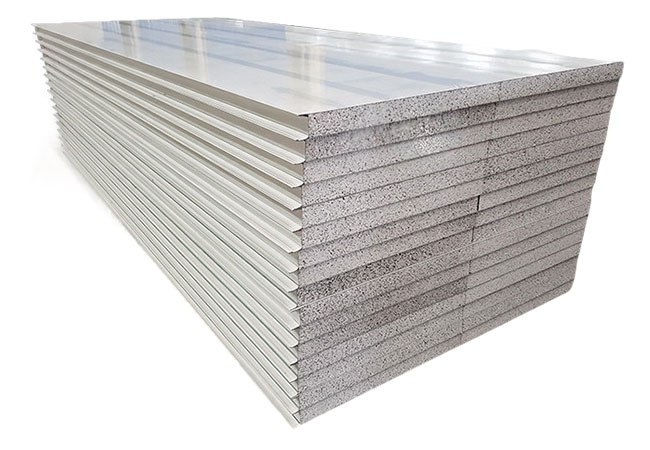
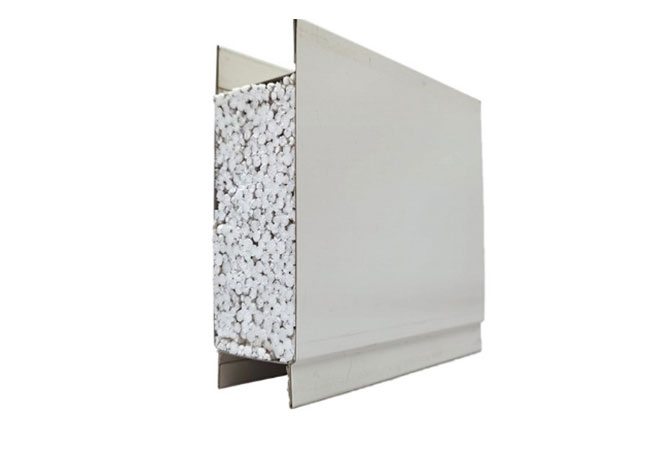
Clean sandwich panel is a composite panel with metal steel plates on both sides and flame-retardant purification core material in the middle. Through a continuous production line, color-coated steel plates are composited with rock wool, polyurethane and other core materials under high pressure to form a smooth and clean panel surface.
It is mainly used for partition walls and ceilings in clean workshops, effectively blocking the penetration of dust, microorganisms and moisture. The panels leave the factory as finished products and are cut and assembled on-site.
Selection Comparison & Recommendations
Clean sandwich panel is a general-purpose purification board. It is recommended to match specific configurations according to application scenarios:
- For food processing workshops, stainless steel panels with rock wool core are recommended, providing corrosion resistance and Class A fire rating.
- For electronic semiconductor clean workshops, anti-static color-coated panels with magnesium oxide core are recommended to prevent static discharge damaging components.
- For general storage purification spaces, galvanized steel panels with PU polyurethane core meet basic requirements.
Thermal conductivity varies by core material: rock wool approximately 0.040 W/(m·K), PU approximately 0.022 W/(m·K), magnesium oxide between the two.
For actual selection, it is recommended to comprehensively consider fire rating, insulation requirements and budget. Contact the Jiesen technical team for specific configuration solutions.
Core Advantages
1. Dense and Smooth Surface — Steel plates are treated with multiple coating layers. The board surface is pore-free and does not absorb dust or bacteria. Daily cleaning with water is sufficient to maintain cleanliness.
2. Stable Flame-Retardant Core — Rock wool (melting point above 1000°C) or PU (thermal conductivity approximately 0.022W/(m·K)) is selected to match Class A or B1 fire rating requirements.
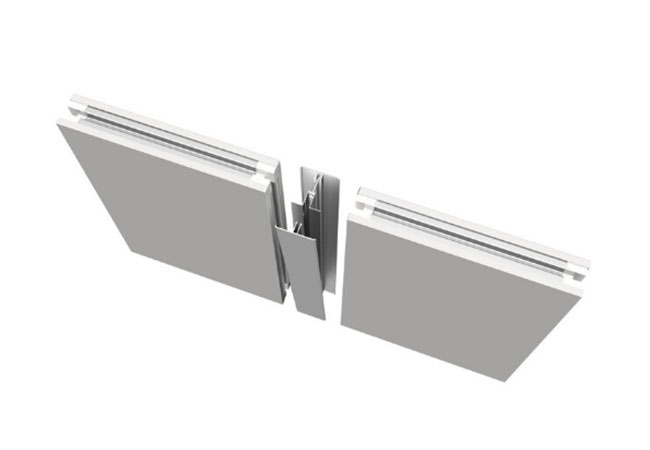
3. Good Joint Airtightness — Tongue-and-groove connection with sealing strips ensures joint airtightness, meeting the requirement of positive pressure workshop air change rate ≤ 15 times/hour.
Technical Specifications Reference
Common Panel Thickness: 50mm / 75mm / 100mm
Steel Plate Thickness: 0.4mm – 0.8mm
Standard Width: 950mm / 1150mm
Core Material Density: Rock wool ≥ 120kg/m³, PU approximately 40kg/m³
Applicable Temperature: -20°C to 80°C
Common Specification Configuration Comparison
| Item | Economical Configuration | Standard Configuration | High Cleanliness Configuration |
| Panel Material | Galvanized steel 0.4mm | Color-coated steel 0.5mm | Stainless steel 0.6mm |
| Core Material Type | PU Polyurethane | Rock wool | Magnesium oxide |
| Applicable Scenarios | General storage | Food / Electronics | Pharmaceutical / Biological |
| Fire Rating | B1 | A | A |
| Price Level | Lower | Medium | Higher |
Comparison with Traditional Masonry Walls
Traditional brick wall plastering construction takes approximately 30 days per 1000m², with many wet operations, messy site conditions and susceptibility to sanding and dusting after completion.
Clean sandwich panels use dry construction — factory prefabricated and on-site assembled. The same area takes approximately 7 – 10 days, reducing construction time by more than two-thirds.
At the same time, wall thickness can be reduced by approximately 50%, increasing usable indoor floor area.
FAQ
Q1: Can clean sandwich panels be used outdoors?
A1: Direct outdoor exposure is not recommended. The panel coating is for indoor-grade corrosion protection. Long-term direct sunlight and rain will cause coating aging and fading. For outdoor use, specially designed exterior wall panels should be selected.
Q2: How are the joints between panels handled after installation?
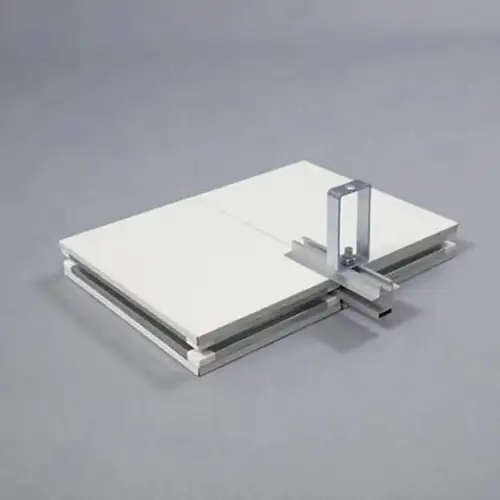
A2: After tongue-and-groove splicing is completed, apply neutral silicone sealant on the joint surface. Use aluminum alloy arc trim pieces at corners to ensure no dust-collecting dead corners.
Send Inquiry
Contact Info
-
Address
Chengxi Village, Xincheng Town, Huantai County, Zibo City, Shandong Province, China
-
Tel
-
Email
Zibo Jiesen Building Materials Environmental Protection Technology Co., Ltd.
Company Address
Chengxi Village, Xincheng Town, Huantai County, Zibo City, Shandong Province, China
Contact Information
News Recommendations