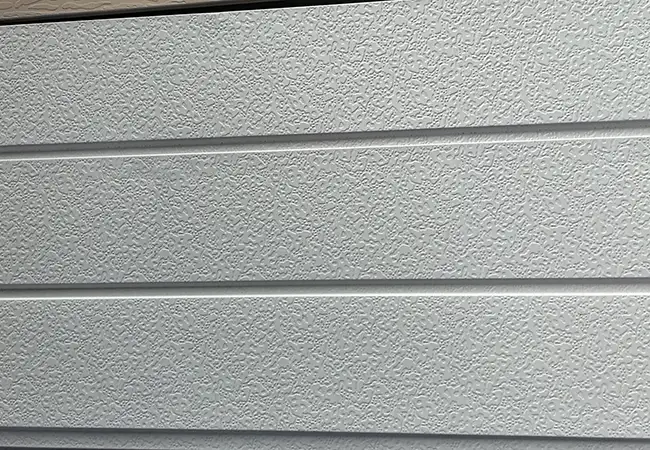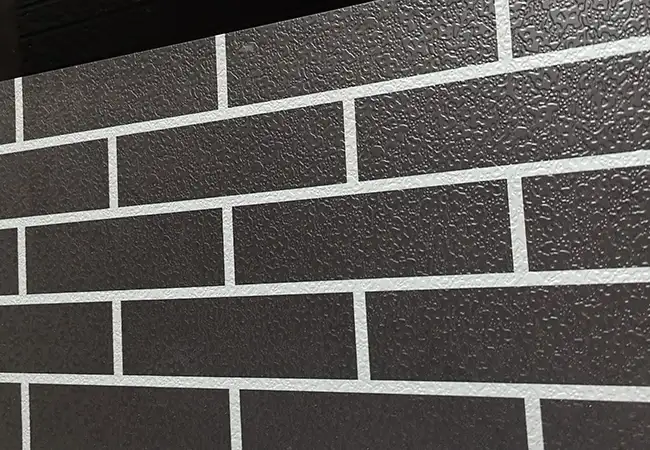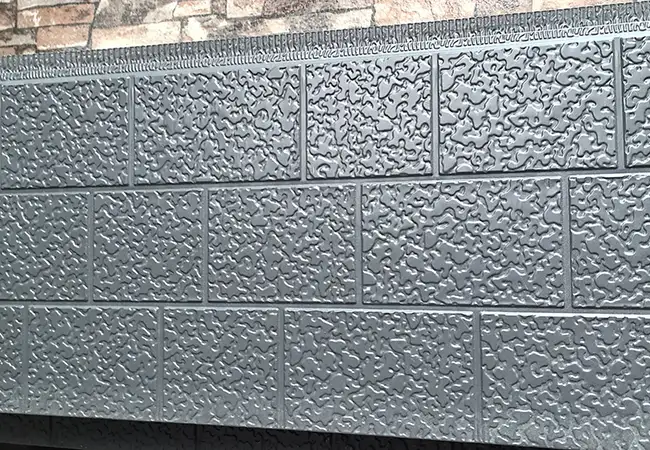
High Quality Purification Board Supplier in China
Looking for a reliable manufacturer of purification panels? Jason Building Materials offers customized services, providing dependable solutions for specialized environments such as cleanrooms, dust-free workshops, laboratories, medical facilities, and food processing plants.
Core Structure and Material Composition
1. Facing and Substrate Layers
The surface layer of the purification board is made of color-coated steel, galvanized steel, stainless steel, or epoxy/PVC-coated steel.
For specific requirements, custom-formulated coatings are available—such as those incorporating silver ions for antimicrobial properties or photocatalysts for air self-cleaning capabilities.
2. Core Material Layer
This layer provides structural strength as well as thermal insulation and fire resistance. Common core materials include rock wool, glass wool, polyurethane (PU), polystyrene (EPS), paper honeycomb, magnesium oxide (MGO) board, and aluminum-magnesium oxide board.
|
Core Material Type |
Key Advantages |
Typical Application Scenarios |
|
Rock wool |
Class A non-combustible with excellent fire resistance |
Pharmaceutical and electronics manufacturing workshops with stringent fire-safety requirements |
|
Magnesium oxide board |
Fire-resistant, moisture-resistant, and high-strength (with some ratings reaching Class A) |
Operating rooms, laboratories, and other facilities requiring high environmental stability |
|
Aluminum honeycomb |
Lightweight and high-strength with excellent flatness |
Cleanroom ceiling systems and areas with specific limitations on panel weight |
|
Polyurethane |
Superior thermal insulation performance |
Cleanroom areas requiring constant temperature and humidity control |
Key Features
1. Cleanliness and Antibacterial Properties
The surface of the purification board is smooth, non-porous, and seamless; its dust-resistant and anti-static properties effectively eliminate hiding spots for dust and bacteria.
Surfaces can be customized with antibacterial agents or photocatalytic coatings to actively inhibit bacterial growth and decompose harmful airborne pollutants.
2. Corrosion and Disinfection Resistance
In medical and biopharmaceutical environments, panels are frequently subjected to rigorous chemical disinfection. These purification boards withstand acid, alkali, and disinfectant corrosion without rusting or coating delamination, offering a service life more than three times that of traditional panels.
3. Fire Resistance and Electromagnetic Shielding
The core material typically consists of flame-retardant or non-combustible materials, achieving a Class A fire rating.
Additionally, the conductive coating design provides effective anti-static and radiation-shielding capabilities.
4. Ease of Installation and Maintenance
The panels feature a modular assembly design for rapid installation. They also possess self-cleaning properties, resisting stains and oil, and require only clean water for routine maintenance.
Application Scenarios
Healthcare: Hospital operating rooms, ICU wards, and clinical treatment areas.
Biopharmaceuticals: GMP-standard pharmaceutical workshops, sterile laboratories, and biosafety laboratories.
Precision Manufacturing: Cleanrooms for electronic components and aerospace assembly workshops.
Food Processing: High-hygiene food production lines and packaging workshops.
Maintenance Recommendations
1. Cleaning Methods
Clean the purification board using a neutral detergent and a soft cloth or sponge; for stubborn stains, use alcohol or a specialized cleaner.
Do not use high-pressure water jets directly on the panel joints, and avoid abrasive materials such as steel wool or scouring pads. Prevent contact with strong acid or alkaline solvents.
2. Environmental Control
Maintain indoor relative humidity at or below 65%; prolonged exposure to high humidity accelerates the aging of the core material.
Avoid drastic fluctuations in temperature and humidity, as thermal expansion and contraction can cause sealant fatigue and cracking.
3. Impact Protection and Repair
Use edge protectors during handling. If the surface coating is damaged, touch it up immediately with matching paint to prevent the spread of rust.
If the sealant shows signs of aging or cracking, remove and replace it promptly; do not delay, as dust entering the gaps becomes extremely difficult to clean.
FAQ
Q: What are the common types of purification panels?
A: They are categorized by manufacturing process into machine-made and handmade panels:
Machine-made panels: Produced via automated machinery; feature limited panel profiles and lower costs; suitable for standardized, large-scale installations.
Handmade panels: Manually assembled with galvanized steel edge banding; offer superior strength, flatness, and sealing performance; the preferred choice for ceiling systems and high-cleanliness areas.
Q: What are the key points to consider during installation?
A: Dust control: Minimize cutting and grinding operations; promptly clean up debris and dust to prevent impurities from adhering to the panel surface.
Panel protection: Retain the protective film until project completion; avoid scratching the surface with hard tools; immediately touch up paint and apply rust prevention if impacts cause paint loss.
Moisture control: Promptly seal cut edges to prevent moisture from penetrating the core material, which could cause bulging or delamination.
Sealing details: Use mold-resistant neutral silicone sealant to avoid corrosion of the color-coated steel by acidic sealants.
Q: What information should be provided when purchasing purification panels?
A: Application scenario: Project type (e.g., hospital operating rooms, pharmaceutical GMP workshops, electronics cleanrooms, food processing facilities), cleanliness class, and fire safety regulations.
Panel specifications: Thickness, manufacturing process, facing material, and substrate thickness.
Core material type: Rock wool, glass magnesium (MGO), magnesium oxysulfate, aluminum honeycomb, etc., selected to meet fire resistance, moisture resistance, and thermal insulation requirements.
Fire rating: Confirm Class A or Class B1 based on project requirements.
Accessory requirements: Aluminum profiles, cutouts for doors and windows, etc.
- View as
Factory Clean Panel
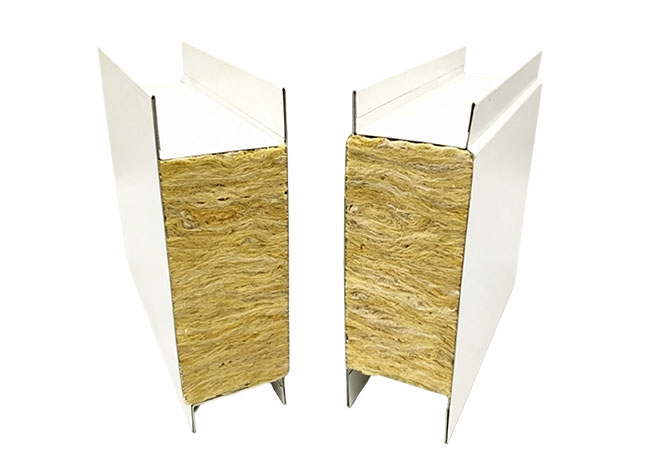
Jason Building Materials is a professional manufacturer and supplier of Factory Clean Panels designed for factories. Our products are specialized, versatile cleanroom panels engineered for large-scale industrial facilities; they are durable, dust-resistant, easy to clean, and cost-effective, striking a balance between maintaining a stable, clean environment and reducing project costs.
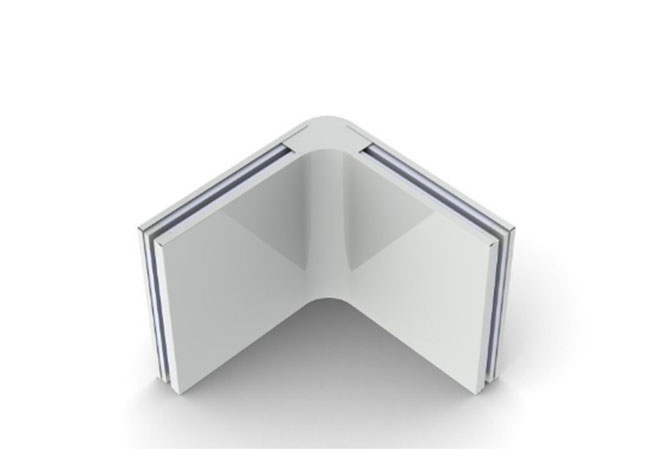
Handmade and Mechanized Purification Board
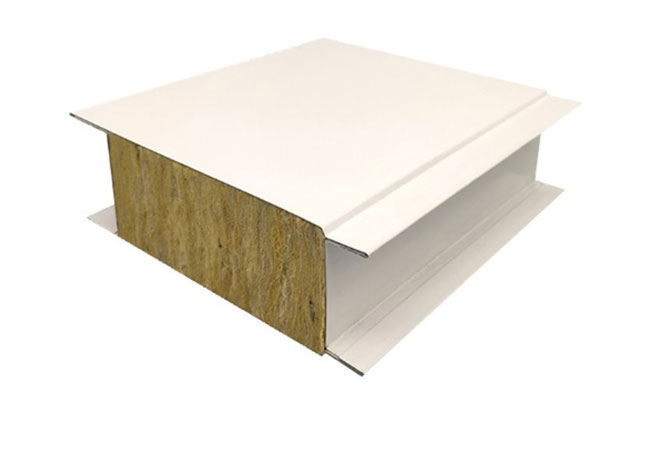
As a professional building materials manufacturer, Jason Building Materials offers both handmade and mechanized purification boards. By combining precision manual edge-sealing techniques with standardized mechanical production, these boards deliver enhanced sealing performance and structural stability; capable of meeting rigorous cleanroom acceptance standards, they serve as the core specialized paneling for high-end aseptic purification projects.
Clean Ceiling Panel
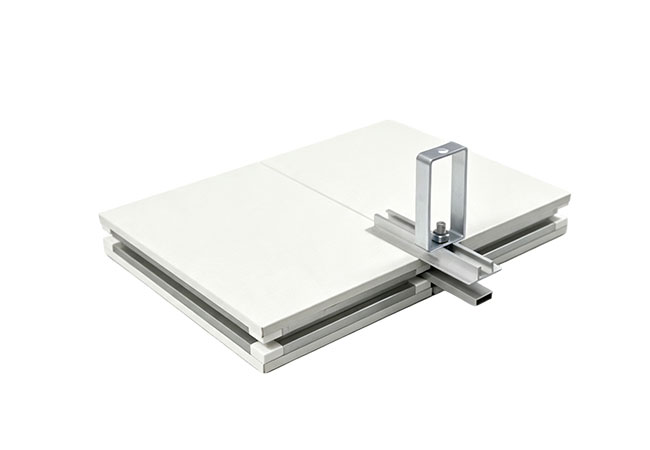
Welcome to order custom Clean Ceiling Panels from Jason Building Materials. Designed to address common issues such as dust accumulation, falling particles, condensation, and mold growth, these panels feature a smooth, dust-free surface, an airtight and moisture-proof seal, and fire-resistant, easy-to-clean properties. They are ideally suited for ceiling purification projects in cleanrooms, laboratories, and medical facilities.
Antibacterial Purification Wall Board
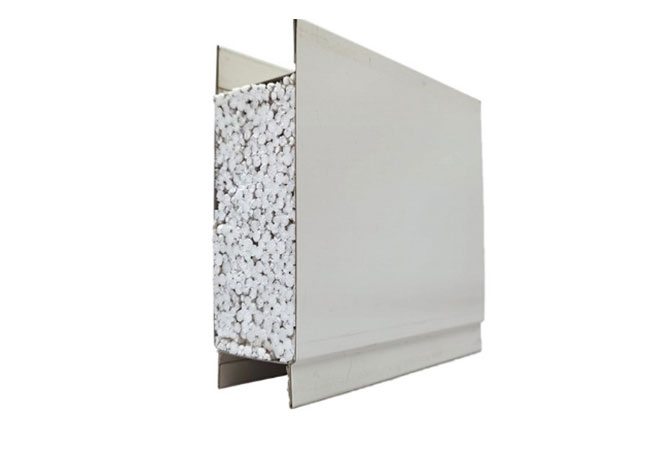
Jason Building Materials is a reliable manufacturer of Antibacterial Purification Wall Boards, offering factory customization and direct-from-factory pricing. These high-grade, functionally enhanced purification panels feature long-lasting inorganic antibacterial technology that actively eliminates bacteria and mold, providing triple protection: dust resistance, cleanliness, and antibacterial properties.
Aseptic Partition Panel
Jason Building Materials is a professional manufacturer of aseptic partition panels. These panels offer aseptic and antimicrobial properties, airtight isolation, and robust impact resistance; they enable precise aseptic zoning within workshops, eliminate cross-contamination between areas, and are ideally suited for high-precision clean production facilities.
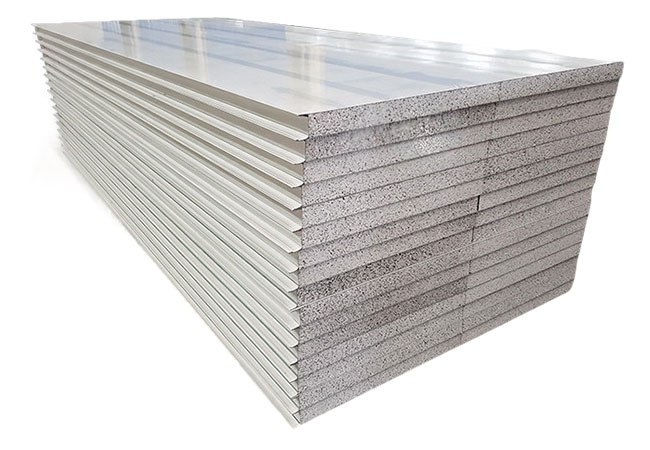
Workshop Clean Board
As a reliable manufacturer, Jason Building Materials offers "Workshop Clean Boards" and other types of paneling. These boards are durable, impact-resistant, oil-resistant, and easy to clean. They require minimal site preparation and installation crews, allowing for short construction periods and rapid results—making them ideal for quick factory renovations and swift entry into operation.
As a reliable Purification Board manufacturer and supplier in China, we have our factory. If you want to buy quality and durable products, please contact us.