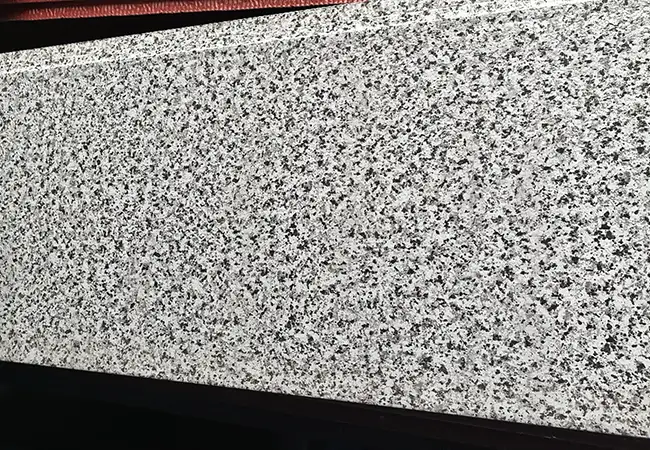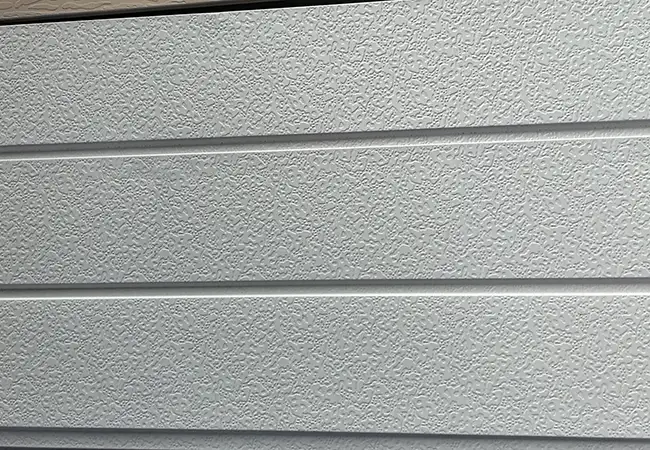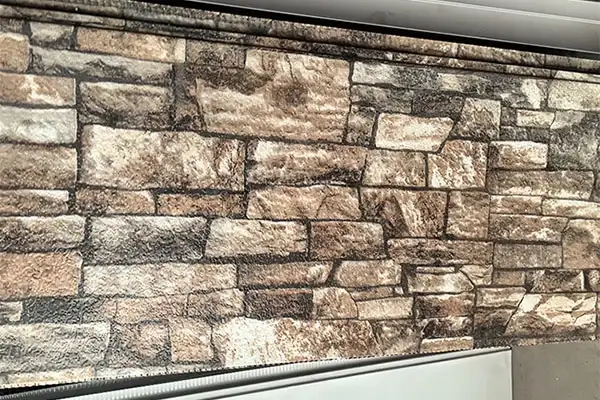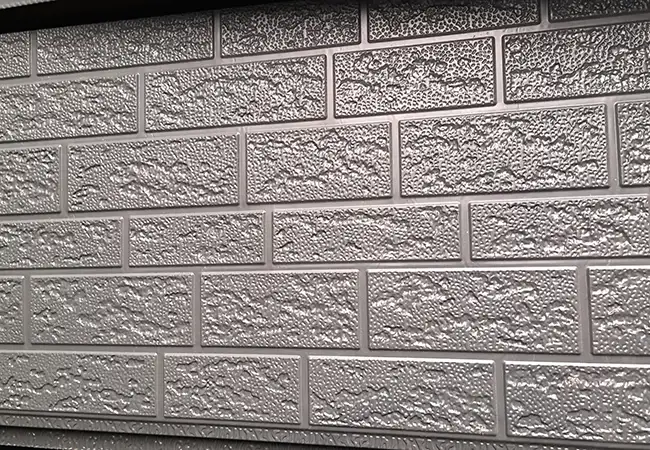
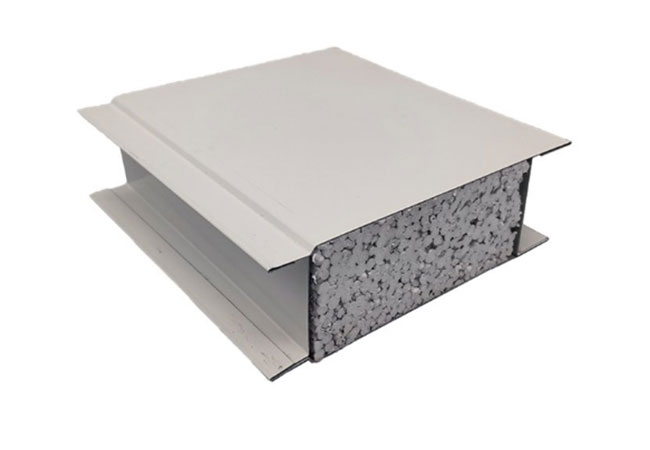
Workshop Clean Board
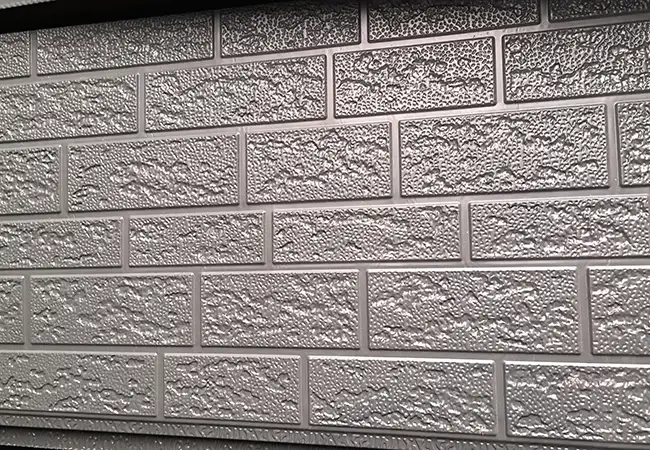
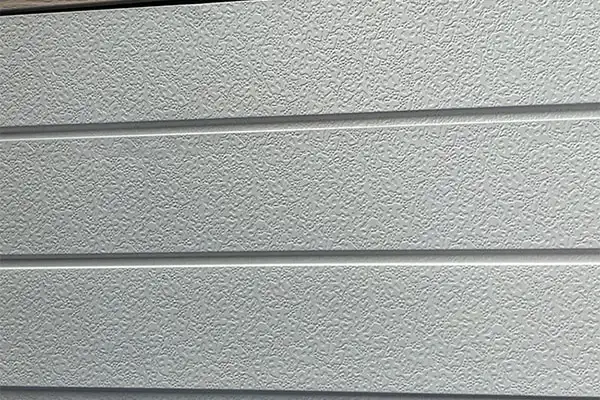
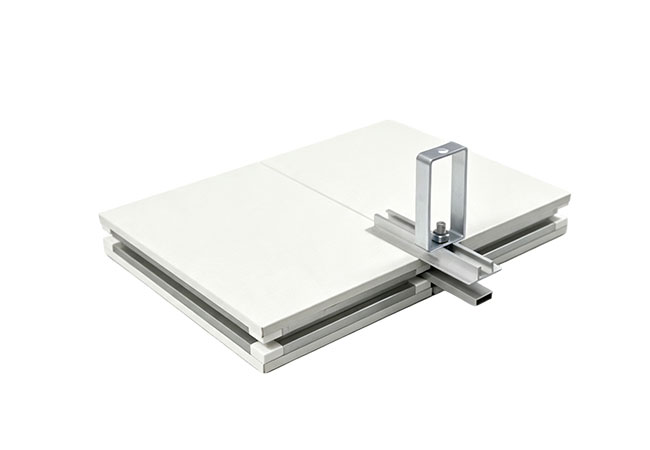
As a reliable manufacturer, Jason Building Materials offers "Workshop Clean Boards" and other types of paneling. These boards are durable, impact-resistant, oil-resistant, and easy to clean. They require minimal site preparation and installation crews, allowing for short construction periods and rapid results—making them ideal for quick factory renovations and swift entry into operation.
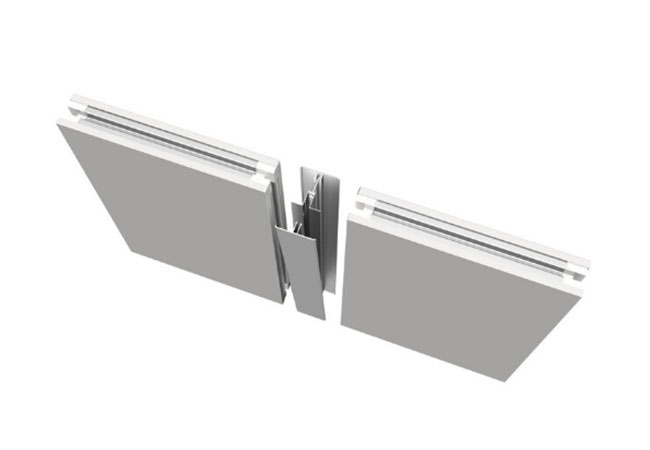
The Workshop Clean Board features a sealed, interlocking structure with tightly closed seams, ensuring excellent sealing and effectively preventing external dust, debris, and suspended particles from entering the clean production area, thus maintaining a stable cleanliness balance within the workshop.
What is Workshop Clean Board?
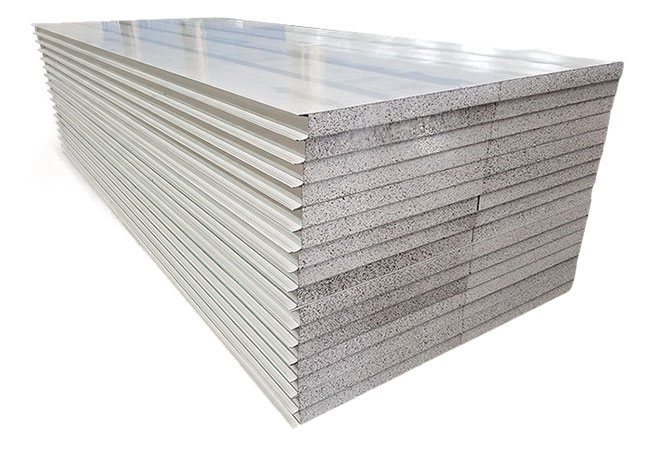
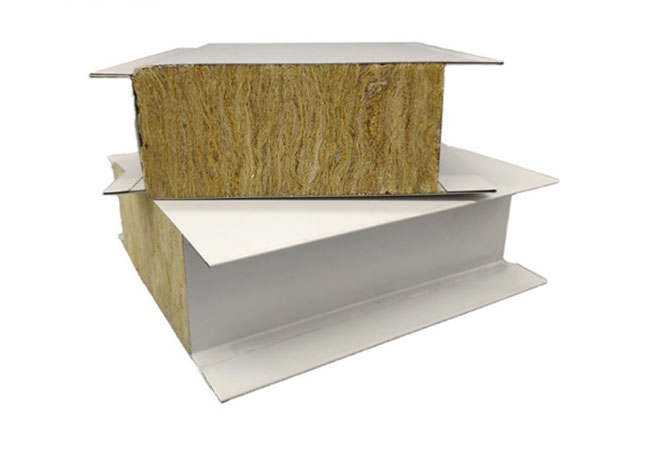
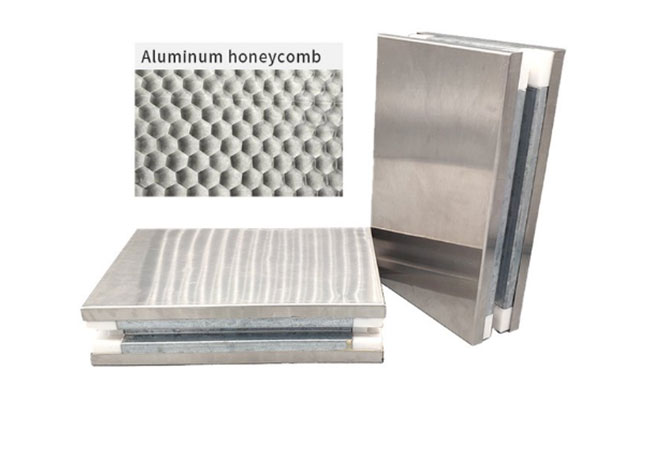
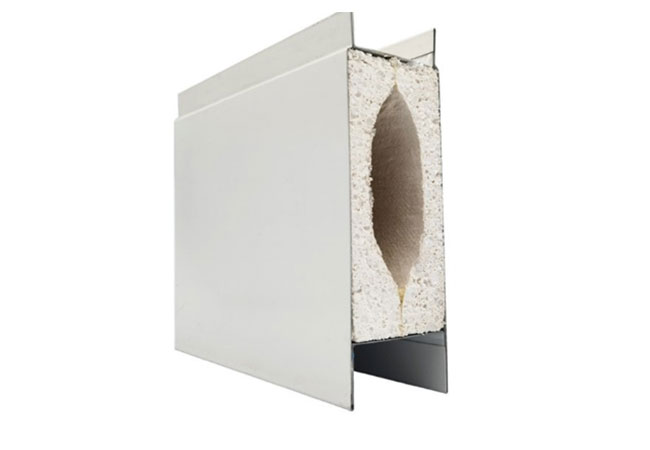
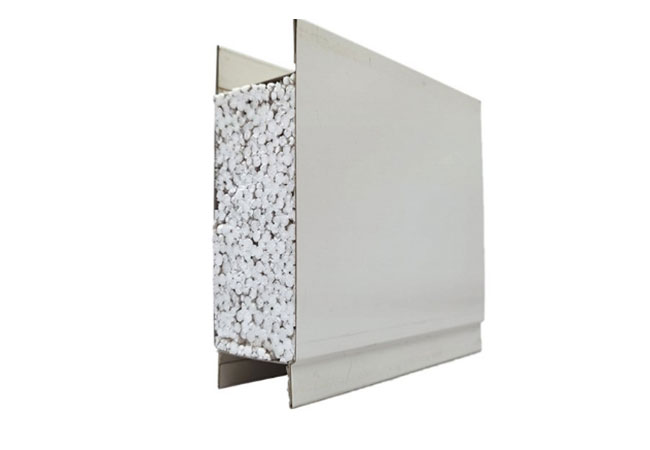
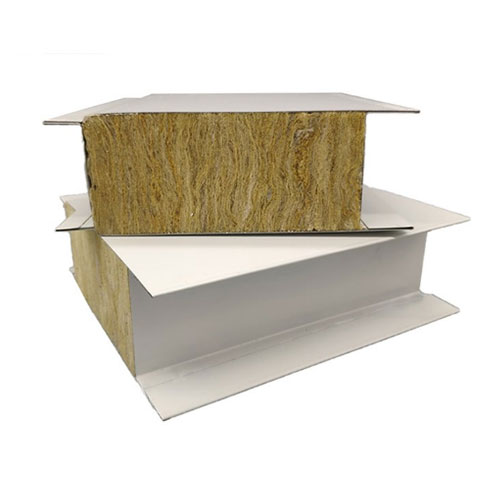
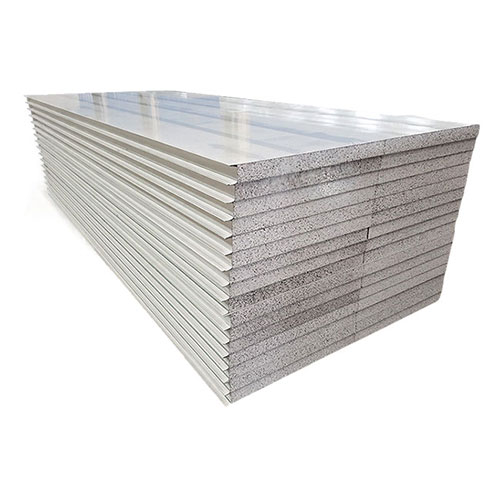
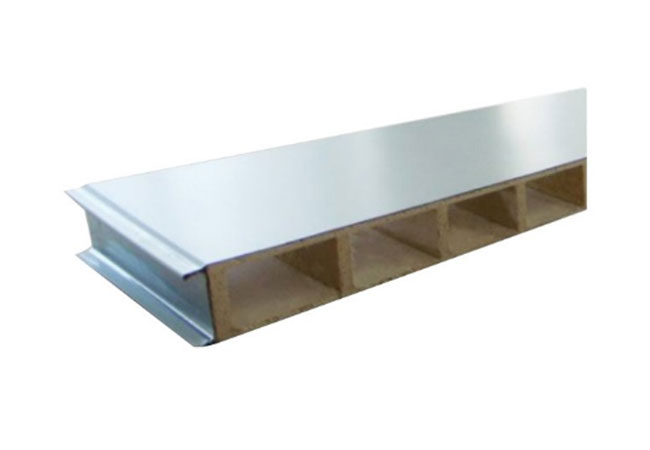
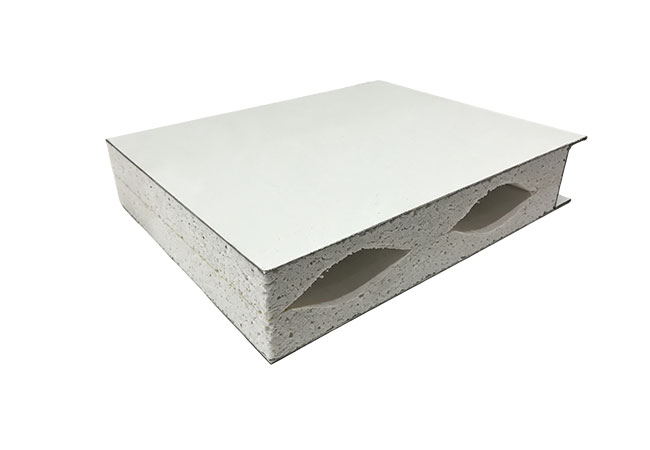
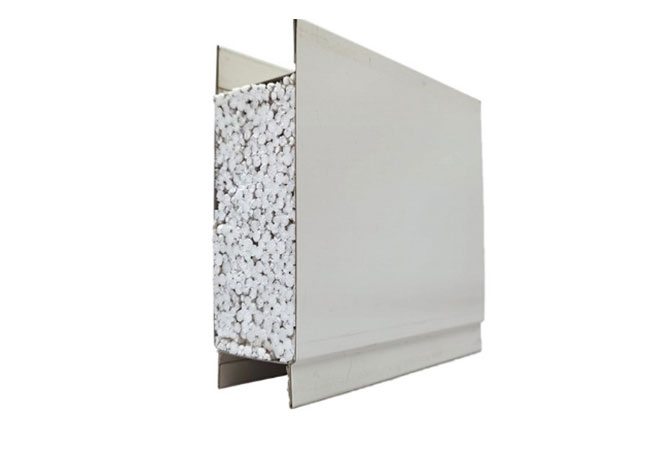
Workshop clean board is a basic purification panel specially designed for ordinary industrial clean workshops, balancing cost control while ensuring cleanliness performance. Its basic structure is consistent with high-end purification panels — both are double-sided steel plates with core material — but it uses practical configurations in terms of coating grade, core density and edge sealing precision. It is suitable for ordinary industrial workshops with cleanliness requirements of Class 100,000 to 300,000, and is not applicable for Class 100 and above high-cleanliness scenarios.
Common Industrial Workshop Issues & Solutions
Common issues and corresponding solutions for workshop clean boards in industrial applications:
Issue 1: High humidity and significant temperature differences in workshops cause ordinary panels to deform.
Solution: Choose magnesium oxide or silica core materials with water absorption rate below 3% and good temperature change stability.
Issue 2: Equipment vibration in workshops causes panel joint loosening.
Solution: Reserve expansion joints during installation and fill with weather-resistant sealant to avoid rigid connections.
Issue 3: Oil stains are difficult to clean.
Solution: Choose high-gloss coated steel panels with dense surface that does not absorb grease; daily cleaning with neutral detergent restores cleanliness.
Issue 4: Long-term dust accumulation at panel joints.
Solution: Ensure tongue-and-groove engagement is properly aligned during installation, and apply secondary sealing with sealing strips at joints.
The above issues can be effectively avoided through reasonable material selection and standardized installation. The Jiesen after-sales team can provide on-site guidance services.
Core Advantages
1. Strong Practicality: Steel plate thickness of 0.4mm is sufficient to meet the structural strength of workshop enclosures, without the need for 0.6mm and above used in high-end projects.
2. Simple Installation: Universal tongue-and-groove connection is used, requiring no special tools on site. Ordinary carpentry teams can get started after half a day of training.
3. Convenient Maintenance: Individual damaged panels can be locally removed and replaced without dismantling the entire wall.
4. Fire Protection Guaranteed: Class B1 core material meets routine fire acceptance requirements; upgrading to Class A rock wool core increases cost by approximately 20% – 30%.
Different Core Materials Suitability for Industrial Workshops
| Core Material Type | Moisture Resistance | Thermal Insulation | Fire Rating | Recommended Working Conditions |
| Rock Wool | Good | Good | A | High-temperature workshops / Fire protection required |
| PU Polyurethane | General | Excellent | B1 | Ordinary constant-temperature workshops |
| Magnesium Oxide | Excellent | General | A | High-humidity workshops |
| Silica | Good | Good | A | Comprehensive cost-performance recommended |
Samples & Warranty
Workshop clean boards provide 200mm × 200mm samples, including panel color and core cross-section display. Samples are provided free of charge; customers only need to bear the return shipping cost.
Product quality warranty period is 12 months (from date of delivery), covering: coating blistering, delamination, obvious rusting and core powdering. Not covering: human damage, improper installation, use in extreme environments beyond technical parameters.
For quality issues within the warranty period, after mutual confirmation, our company will coordinate replenishment or repair.
After-Sales Service Response
The after-sales hotline is staffed 8:30 – 17:30 on working days. Preliminary handling opinions are provided within 2 hours after receiving a repair request. For quality issues requiring on-site handling: within-province, personnel dispatched within 24 hours; out-of-province, within 48 hours. After-sales parts are prioritized from the nearest regional inventory to shorten waiting time.
Common Customer Questions
Q1: What is the difference between workshop clean board and ordinary color steel sandwich panel?
A1: They look similar, but workshop clean boards have obvious differences in sealing structure — ordinary sandwich panels use simple overlap with no sealing treatment at joints; clean boards use tongue-and-groove with sealing strips, ensuring airtightness.
Q2: Does the site need to be cleared of equipment during installation?
A2: It is recommended to install partition walls before bringing in equipment. If equipment is already in place, section-by-section construction is required. Panel cutting produces small amounts of metal shavings; the construction area should be covered with dust-proof cloth for protection.
Q3: What if the floor is uneven?
A3: Adjustable bases are installed at the bottom of wall panels. Floor height differences within 20mm can be leveled through base adjustment screws. For differences exceeding 20mm, local floor leveling is required first.
Send Inquiry
Contact Info
-
Address
Chengxi Village, Xincheng Town, Huantai County, Zibo City, Shandong Province, China
-
Tel
-
Email
Zibo Jiesen Building Materials Environmental Protection Technology Co., Ltd.
Company Address
Chengxi Village, Xincheng Town, Huantai County, Zibo City, Shandong Province, China
Contact Information
News Recommendations