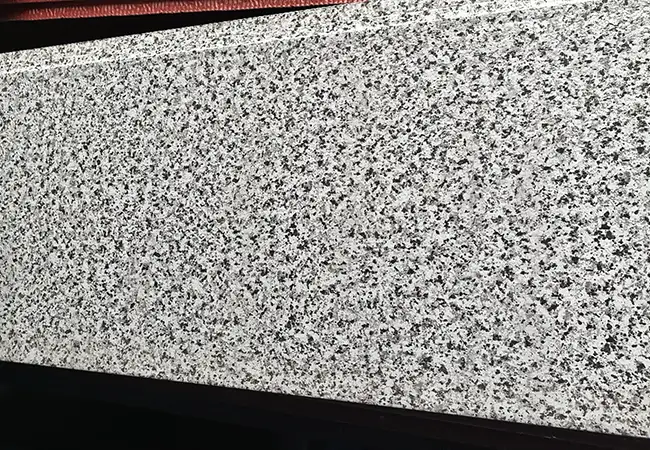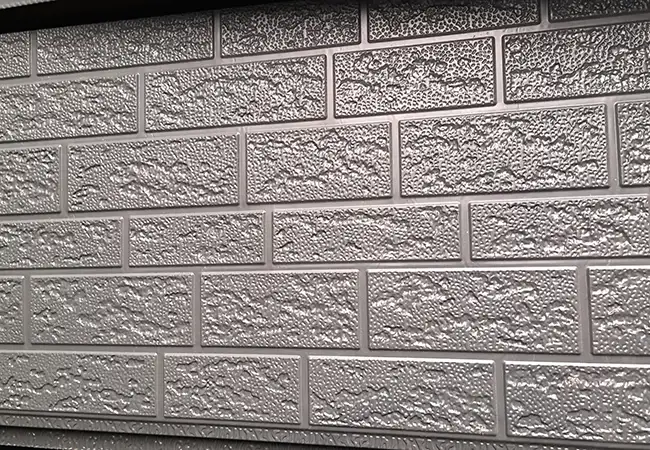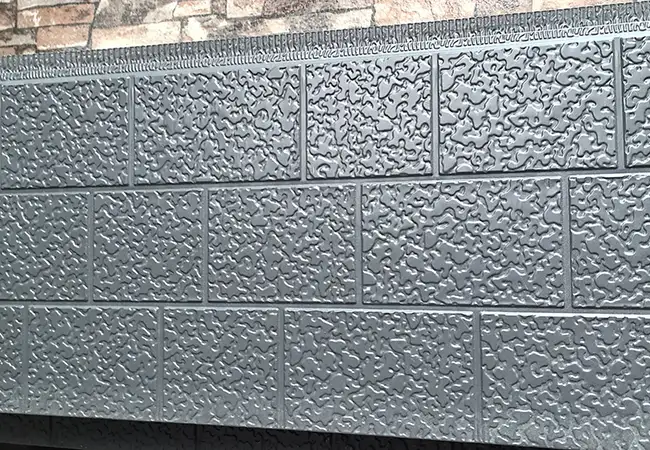
How Does Color Steel Relief Board Improve Modern Building Performance?
Color Steel Relief Board is an increasingly practical solution for architects, contractors, building owners, and industrial project managers who need attractive surfaces without sacrificing durability, installation efficiency, and long-term performance. Combining a steel-based structure, protective coatings, and a three-dimensional relief finish, this material can provide both decorative value and functional protection. This guide explains its structure, key advantages, applications, installation considerations, maintenance requirements, and purchasing factors, helping buyers make more informed decisions for commercial, industrial, residential, and public construction projects.
Table of Contents
- What Is Color Steel Relief Board?
- How Is Color Steel Relief Board Structured?
- Key Advantages for Modern Construction
- Where Is Color Steel Relief Board Used?
- Color Steel Relief Board Performance Comparison
- How to Select the Right Relief Board
- Important Installation Considerations
- Maintenance and Service Life
- Common Buyer Problems and Practical Solutions
- Why Supplier Capability Matters
- Frequently Asked Questions
- Final Thoughts
What Is Color Steel Relief Board?
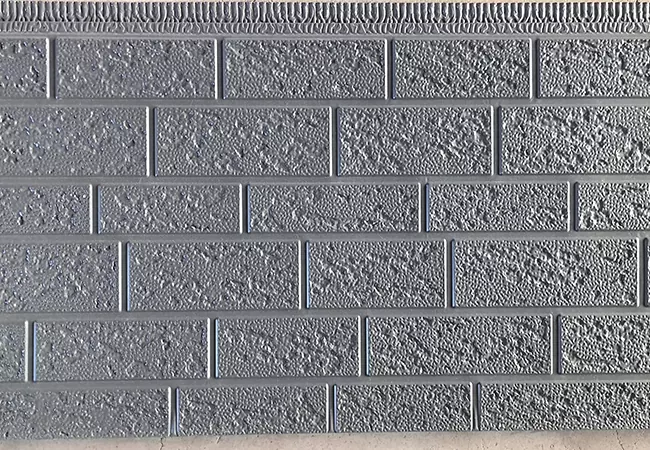
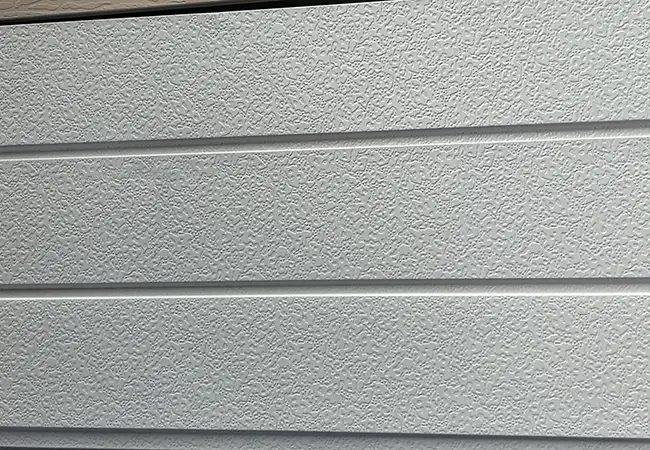
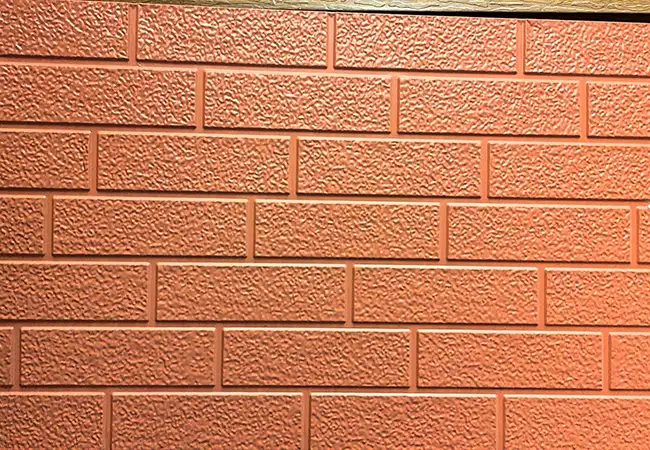
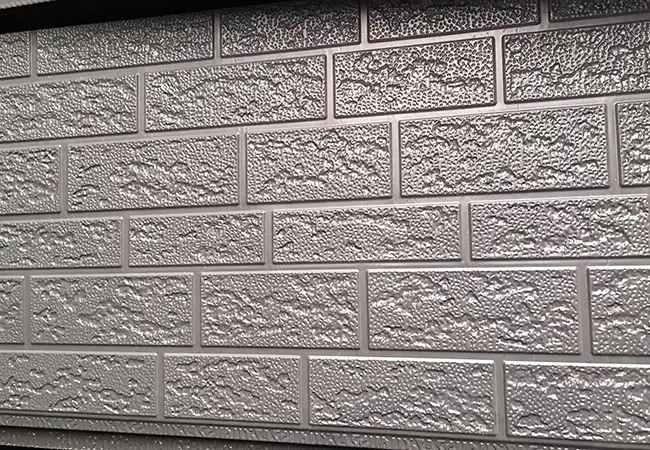
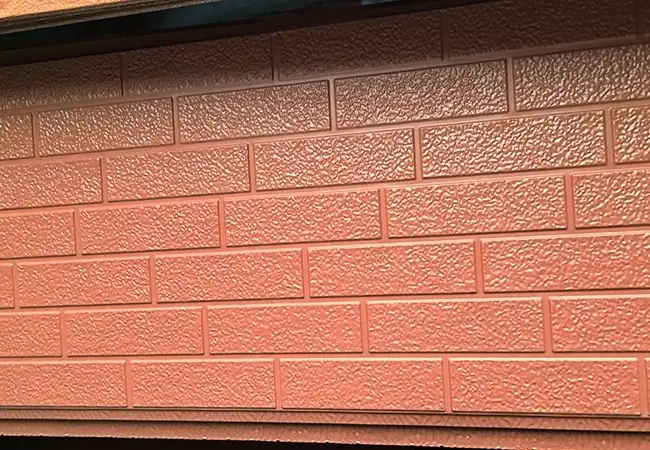
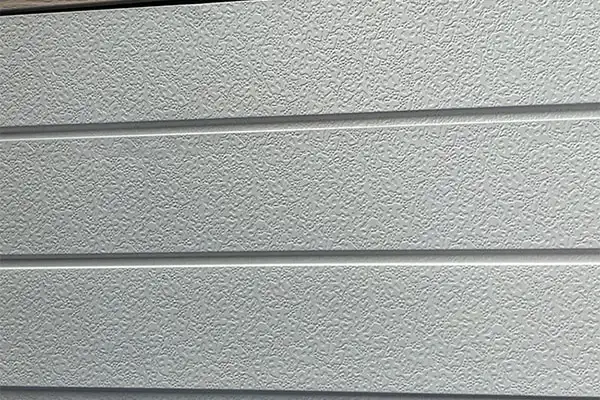
Color Steel Relief Board is a decorative and functional building material manufactured from steel substrates with protective surface treatments and a raised or textured relief design. Unlike ordinary flat metal panels, the relief surface adds visual depth and can create the appearance of stone, brick, wood, geometric patterns, or other architectural textures.
The combination of steel strength and a decorative finish makes this type of board suitable for projects where appearance and structural practicality need to work together. It can be used for exterior walls, interior decorative surfaces, commercial buildings, industrial facilities, temporary structures, and renovation projects.
For buyers, one of the main advantages is that a single material can address several project requirements at the same time. Instead of installing a conventional structural or protective panel and adding a separate decorative layer, a relief board can provide an attractive finished surface while maintaining the practical characteristics expected from coated steel products.
The exact performance of a Color Steel Relief Board depends on factors such as substrate thickness, coating system, surface treatment, profile design, manufacturing precision, installation method, and environmental conditions. Therefore, selecting the right specification is just as important as choosing the material category itself.
How Is Color Steel Relief Board Structured?
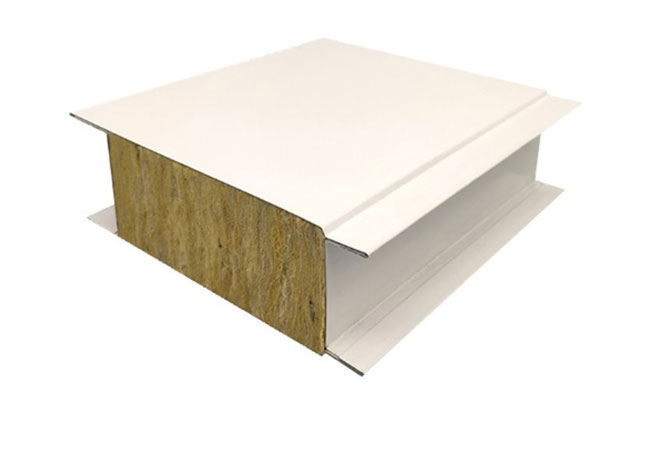
A high-quality relief board is generally designed as a layered product rather than simply a piece of decorated steel. Each component contributes to the board's final appearance, durability, and resistance to environmental exposure.
| Component | Main Function | Buyer Consideration |
|---|---|---|
| Steel Substrate | Provides strength and dimensional stability | Thickness, grade, and consistency |
| Protective Coating | Helps protect against corrosion and environmental exposure | Coating type, thickness, and adhesion |
| Decorative Finish | Creates color, texture, and visual character | Color consistency and surface quality |
| Relief Profile | Adds three-dimensional appearance and design interest | Pattern, depth, dimensions, and precision |
When these elements are properly matched, the resulting board can offer a balance between aesthetic appeal, practical performance, and installation convenience.
Key Advantages for Modern Construction
Construction projects today often face several competing demands: attractive architectural design, controlled project costs, shorter installation schedules, reliable performance, and manageable maintenance. Color Steel Relief Board can help address several of these challenges.
1. Decorative versatility
The relief surface can create a distinctive architectural appearance without relying exclusively on traditional masonry, natural stone, or other heavy finishing materials. Different colors, textures, and patterns can be incorporated into the building concept.
2. Practical steel construction
Steel provides a strong and stable base. When the appropriate substrate and coating system are selected, the board can be suitable for demanding indoor and outdoor applications.
3. Efficient installation
Compared with some traditional wall-finishing systems, prefabricated panels can simplify on-site work. Factory-produced dimensions and finished surfaces may reduce the amount of finishing work required at the construction site.
4. Reduced visual maintenance
A well-designed textured surface can help make minor surface imperfections less visually obvious than they might be on a completely smooth finish. Appropriate cleaning and inspection can also help preserve the original appearance.
5. Design consistency
For large projects, factory production can help maintain a consistent pattern and color across multiple panels. This is particularly important for commercial façades, showrooms, public buildings, and branded architectural spaces.
6. Broad application potential
Because specifications can be adapted to different environments, Color Steel Relief Board can be considered for both decorative and practical construction requirements.
Where Is Color Steel Relief Board Used?
The material is particularly useful when a project requires a combination of visual appeal and efficient construction. Typical applications include:
- Commercial buildings: storefronts, shopping facilities, office façades, and commercial interiors.
- Industrial buildings: factories, workshops, warehouses, and production facilities.
- Residential construction: exterior decorative walls, partitions, renovation projects, and selected interior surfaces.
- Public architecture: schools, community facilities, service buildings, and recreational spaces.
- Temporary or modular buildings: prefabricated structures that require attractive and practical wall surfaces.
- Renovation projects: upgrading an aging building façade without relying entirely on traditional finishing processes.
For projects located in coastal, humid, industrial, or highly exposed environments, buyers should pay particular attention to corrosion protection and coating specifications rather than choosing a product based solely on appearance.
Color Steel Relief Board Performance Comparison
Material selection becomes easier when the project team evaluates performance characteristics systematically. The following table provides a practical framework for comparison.
| Factor | What to Examine | Why It Matters |
|---|---|---|
| Strength | Steel grade and thickness | Affects stability and resistance to deformation |
| Corrosion Resistance | Substrate protection and coating system | Important for outdoor and humid environments |
| Appearance | Color, texture, relief depth, and consistency | Determines architectural quality |
| Dimensional Accuracy | Panel size and profile precision | Influences installation efficiency and final appearance |
| Maintenance | Cleaning and repair requirements | Affects long-term ownership costs |
How to Select the Right Relief Board
One of the most common purchasing mistakes is selecting a board based primarily on price or appearance. A better approach is to evaluate the complete project environment.
Start with the installation location. Determine whether the panels will be installed indoors, outdoors, in a humid environment, near the coast, or in an industrial area. Environmental exposure directly influences the required protective treatment.
Confirm the required dimensions. Panel length, width, thickness, relief profile, and connection details should match the building design. Accurate dimensions can reduce cutting, waste, and installation difficulties.
Evaluate the surface finish. Request color samples or physical samples when appearance is important. Digital images may not fully represent actual color, texture, gloss, or relief depth.
Check production consistency. Large projects may require hundreds or thousands of panels. Consistent color, profile geometry, and surface treatment are essential to achieving a uniform finished façade.
Discuss customization requirements early. If the project requires special colors, patterns, sizes, logos, or matching accessories, these requirements should be confirmed before production begins.
Important Installation Considerations
Even a high-quality board can deliver disappointing results if installation is poorly planned. The supporting structure should be checked before panels are installed, and the installation team should follow the manufacturer's recommended fixing method.
- Verify wall or supporting-frame dimensions before installation.
- Confirm that the substrate is level, stable, and suitable for the selected fixing system.
- Store panels in a dry and protected area before installation.
- Avoid unnecessary scratching, bending, or impact during transportation and handling.
- Use appropriate fasteners and accessories for the environmental conditions.
- Maintain correct panel alignment to keep relief patterns visually consistent.
- Inspect joints, edges, corners, and exposed areas after installation.
For complex façades, large commercial projects, or customized profiles, it is advisable to coordinate panel dimensions and installation details with the manufacturer before mass production.
Maintenance and Service Life
Maintenance requirements depend heavily on the coating system, exposure conditions, installation quality, and local climate. In general, routine inspection is more effective than waiting until visible damage becomes extensive.
Dust, dirt, industrial deposits, and other contaminants should be removed using suitable cleaning methods. Harsh chemicals, aggressive abrasives, or unsuitable tools may damage the coating and should be avoided unless specifically approved for the product.
During periodic inspections, pay attention to scratches, coating damage, loose fasteners, panel movement, water accumulation, and areas where corrosion may begin. Small problems are usually easier to address than extensive surface deterioration.
For buildings in demanding environments, a planned inspection schedule can help property owners identify maintenance needs before they affect larger areas of the façade.
Common Buyer Problems and Practical Solutions
| Common Problem | Possible Cause | Practical Solution |
|---|---|---|
| Color inconsistency | Different production batches or inadequate quality control | Confirm color standards and production consistency in advance |
| Panel deformation | Improper handling, storage, or insufficient structural support | Improve packaging, transportation, storage, and installation procedures |
| Surface damage | Rough handling or unsuitable installation tools | Use protective handling procedures and suitable equipment |
| Premature corrosion | Unsuitable coating or environmental exposure | Select a protection system appropriate for the installation environment |
| Difficult installation | Incorrect dimensions or insufficient project coordination | Confirm drawings, measurements, accessories, and fixing details before production |
Why Supplier Capability Matters
Choosing the right manufacturer is especially important when a project involves customized dimensions, large quantities, special relief patterns, or demanding environmental conditions. A capable supplier should be able to communicate clearly about material specifications, surface finishes, production processes, quality inspection, packaging, and delivery.
Zibo Jiesen Building Materials Environmental Protection Technology Co., Ltd. is a manufacturer that can serve as a potential partner for buyers seeking building-material solutions and customized product requirements. When evaluating a supplier, customers should look beyond a product catalog and examine whether the manufacturer can consistently control raw materials, production accuracy, surface quality, packaging, and order fulfillment.
A reliable supplier should also understand that different projects have different priorities. A warehouse project may emphasize cost efficiency and installation speed, while a commercial façade may place greater emphasis on color consistency, decorative texture, and customized dimensions. Matching the product specification to the actual application is therefore a critical part of successful procurement.
Before placing a large order, buyers can request technical specifications, samples, production details, packaging information, and quality documentation. Clear communication at this stage can significantly reduce misunderstandings later in the project.
Frequently Asked Questions
What is Color Steel Relief Board mainly used for?
It is commonly considered for decorative walls, building façades, industrial buildings, commercial properties, modular structures, renovation projects, and other applications requiring an attractive textured metal surface.
Can Color Steel Relief Board be customized?
Customization may include panel dimensions, colors, surface textures, relief patterns, and other project-specific requirements, depending on the manufacturer's production capabilities.
Is Color Steel Relief Board suitable for outdoor applications?
It can be suitable for outdoor applications when the substrate, coating, surface treatment, and installation method are properly selected for the local environmental conditions.
What should buyers check before ordering?
Important factors include steel thickness, coating system, dimensions, relief pattern, color, environmental exposure, installation method, packaging, production consistency, and supplier quality-control capabilities.
How can surface damage be minimized during transportation?
Panels should be properly packaged, securely fixed during transportation, protected from moisture where necessary, and handled carefully to avoid scratches, impacts, and deformation.
Does the relief pattern affect the appearance of a building?
Yes. Relief depth, pattern geometry, color, lighting conditions, and installation alignment can all influence the final visual effect. Samples are recommended when appearance is a major project requirement.
How should the panels be maintained?
Routine inspection and appropriate cleaning are generally recommended. Owners should also monitor exposed edges, joints, fasteners, coating damage, and potential corrosion points.
Final Thoughts
Color Steel Relief Board brings together the practical characteristics of steel with the visual appeal of a textured architectural surface. For construction projects that need efficient installation, consistent appearance, design flexibility, and practical protection, it can be a valuable material option.
However, the best results depend on more than selecting a visually attractive pattern. Buyers should consider the complete product specification, environmental conditions, structural requirements, coating performance, dimensional accuracy, installation method, and manufacturer's quality-control capabilities.
Whether the project involves a commercial façade, industrial building, modular structure, renovation, or decorative wall system, careful product selection can help reduce installation problems and improve long-term project value.
Build a Better Surface with the Right Material
Looking for reliable Color Steel Relief Board solutions for your next construction project? Zibo Jiesen Building Materials Environmental Protection Technology Co., Ltd. can help you discuss product specifications, customization requirements, application conditions, and project needs. For product details, samples, or customized solutions, contact us and let our team help you find a practical solution for your project.
Related News
- Why Is Composite Integrated Carved Board Becoming a Smarter Wall Solution?
- How Can Building Exterior Insulation Board Improve Energy Efficiency and Building Comfort?
- How Can Metal Embossed Panel Improve Modern Architectural Surfaces?
- How Can Metal Carved Board Transform Modern Architectural Spaces?
- From Operating Theaters to Clean Workshops: Purification Boards Build High-Standard Spatial Protection
- Building Like Stacking Blocks: Integrated Insulation-Decoration Boards Tap into Billion-Dollar Green Market
Leave me a message