What Makes Polyurethane Carved Board a Practical Choice for Modern Architectural Decoration?
Polyurethane Carved Board combines sculptural appearance, lightweight construction, moisture resistance, design flexibility, and convenient installation. This article explains its material characteristics, decorative applications, customization potential, installation considerations, maintenance requirements, and how project buyers can select a suitable solution for residential, commercial, hospitality, and architectural spaces.
Table of Contents
- What Is Polyurethane Carved Board?
- How Is Polyurethane Carved Board Designed and Manufactured?
- What Are the Main Benefits?
- Where Can It Be Used?
- How Does It Compare with Traditional Decorative Materials?
- What Should Buyers Consider Before Ordering?
- How Can the Board Be Customized?
- How Should Polyurethane Carved Board Be Installed?
- How Can Its Appearance Be Maintained?
- Why Work with an Experienced Manufacturer?
- Frequently Asked Questions
- Conclusion
What Is Polyurethane Carved Board?
Architectural decoration often needs to achieve two goals at the same time: create a distinctive visual effect and remain practical for long-term installation. Traditional carved wood, stone, plaster, and other solid decorative materials can provide impressive detail, but they may also introduce challenges involving weight, transportation, installation time, moisture exposure, or design flexibility.
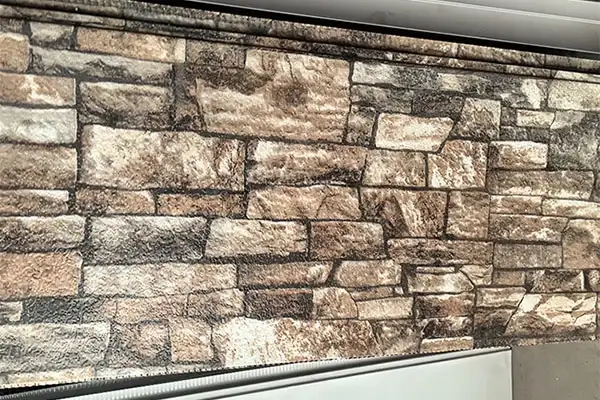
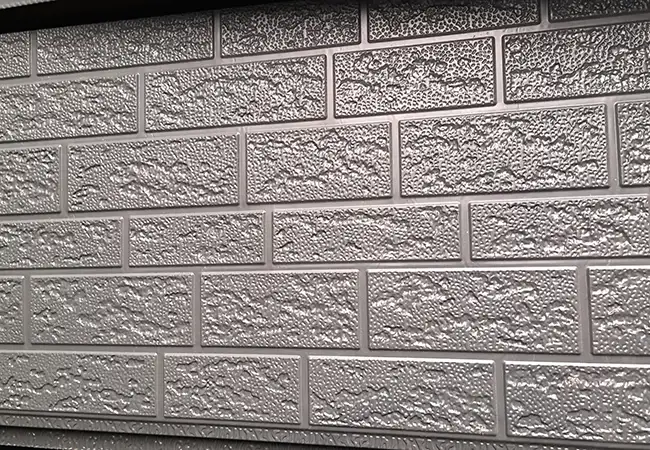
Polyurethane Carved Board offers an alternative approach. It is a decorative architectural board made from polyurethane material and formed with carved, embossed, relief, geometric, floral, or openwork patterns. Depending on the design, the finished surface can imitate the visual depth of traditional architectural carving while reducing the material burden associated with heavier decorative elements.
Modern rigid polyurethane decorative panels can be produced with intricate three-dimensional patterns and relatively low weight. Some commercially available carved polyurethane panels, for example, use high-density rigid polyurethane with closed-cell structures, providing low water absorption and dimensional stability. :contentReference[oaicite:0]{index=0}
This makes the material suitable for projects where designers want to introduce depth, texture, shadow, and architectural character without relying exclusively on heavy natural materials.
How Is Polyurethane Carved Board Designed and Manufactured?
The appearance of a carved board depends heavily on its material formulation, molding or forming process, pattern depth, surface treatment, and finishing requirements. A carefully engineered polyurethane board can reproduce delicate decorative details such as leaves, geometric lines, arches, scrolls, floral motifs, and contemporary patterns.
The manufacturing process generally focuses on creating consistent dimensions and repeatable surface details. This is particularly important for large projects because multiple boards may need to connect into a continuous decorative composition.
- Pattern development: Decorative concepts are converted into suitable production designs.
- Forming: Polyurethane material is shaped into the required panel geometry and relief profile.
- Surface preparation: The panel can receive a suitable primer or surface treatment according to its intended finish.
- Quality inspection: Dimensions, pattern definition, surface condition, and consistency are checked before shipment.
- Finishing: Depending on the project, panels may be supplied in a prepared surface condition for subsequent painting or coating.
The depth of the carving is also important. Deeper relief creates stronger light-and-shadow effects, while shallower patterns can provide a more restrained contemporary appearance. Openwork designs can additionally function as decorative screens and allow light to pass through the pattern. :contentReference[oaicite:1]{index=1}
What Are the Main Benefits of Polyurethane Carved Board?
For architects, interior designers, contractors, and project purchasers, the value of a decorative board is not determined by appearance alone. Material handling, environmental conditions, installation requirements, finishing options, and project consistency can all affect the final result.
Lightweight Construction
One of the most practical characteristics of rigid polyurethane decorative panels is their relatively low weight compared with many solid decorative alternatives. This can simplify transportation, handling, positioning, and installation, particularly when decorative elements are installed on walls or ceilings.
Rich Three-Dimensional Detail
Carved polyurethane panels can reproduce complex decorative profiles, allowing designers to create feature walls, architectural frames, ceiling details, screens, and decorative accents. Relief depth can produce changing shadows throughout the day or under artificial lighting.
Moisture Resistance
Closed-cell rigid polyurethane structures can offer very low water absorption. Some commercially documented decorative polyurethane panels specify water absorption below 1%, making moisture resistance an important advantage in suitable interior and exterior applications. :contentReference[oaicite:2]{index=2}
However, project buyers should always distinguish between material-level water resistance and the complete waterproof performance of an installed architectural system. Joints, coatings, adhesives, substrates, and installation details still matter.
Design Flexibility
Patterns can range from classical floral ornamentation to clean geometric designs. This allows the same material category to serve different architectural styles, from luxury hospitality interiors to contemporary residential feature walls.
Paintable Surface
Many polyurethane decorative panels are supplied with a prepared surface and can be painted to coordinate with a project's color scheme. Interior and exterior paint requirements should be selected according to the application environment and coating manufacturer's specifications. Outdoor applications generally require appropriate UV-resistant finishing. :contentReference[oaicite:3]{index=3}
Where Can It Be Used?
The combination of decorative depth, lightweight construction, and design flexibility allows Polyurethane Carved Board to be used in numerous architectural environments.
| Application | Typical Decorative Purpose | Key Consideration |
|---|---|---|
| Living Rooms | Feature walls, TV backgrounds, decorative frames | Pattern coordination with furniture and lighting |
| Hotels | Lobby walls, partitions, reception areas | Visual impact and project consistency |
| Restaurants | Feature walls, decorative screens, ceiling accents | Cleaning and environmental conditions |
| Bedrooms | Headboards and wall decoration | Pattern scale and installation accuracy |
| Bathrooms & Spas | Decorative wall areas and architectural accents | Moisture exposure and suitable finishing |
| Commercial Buildings | Feature walls, partitions, entrance decoration | Durability and maintenance requirements |
| Exterior Architecture | Facade accents, pediments, entrance details | UV-resistant coating and installation method |
Openwork polyurethane panels can be particularly useful where designers want to divide a space without creating a visually solid barrier. They can also be combined with concealed or backlighting systems to emphasize the carved pattern. :contentReference[oaicite:4]{index=4}
How Does It Compare with Traditional Decorative Materials?
The right decorative material depends on the project's structural, aesthetic, environmental, and budget requirements. Polyurethane should not automatically be considered a replacement for every traditional material; instead, it provides another option when lightweight construction and detailed decoration are important.
| Factor | Polyurethane Carved Board | Carved Wood | Stone | Traditional Plaster |
|---|---|---|---|---|
| Weight | Relatively lightweight | Moderate | Heavy | Moderate to heavy depending on construction |
| Pattern Detail | High design flexibility | High | High but material-dependent | High |
| Moisture Considerations | Generally favorable with suitable finishing | Requires protection | Depends on stone type and treatment | Requires appropriate protection |
| Installation Handling | Generally easier to handle | Moderate | More demanding | Often requires more site work |
| Design Customization | Highly adaptable | Adaptable | Dependent on carving process | Adaptable |
The comparison is a project-planning guide rather than a universal performance ranking. Actual results depend on material specifications, installation conditions, coatings, substrate quality, and local building requirements.
What Should Buyers Consider Before Ordering?
Choosing a decorative panel based only on a product photograph can create problems later. For commercial or architectural projects, buyers should evaluate the complete product specification before placing an order.
- Pattern and dimensions: Confirm panel size, thickness, relief depth, and connection details.
- Installation environment: Determine whether the panel will be used indoors, outdoors, or in a humid environment.
- Surface finish: Confirm whether the product is supplied raw, primed, painted, or otherwise finished.
- Coating compatibility: Select paints and primers that are appropriate for the substrate and environment.
- Mechanical fixing: Check whether adhesive, screws, brackets, or a combination of fixing methods is required.
- Project quantity: Calculate the total surface area and include reasonable allowances for cutting and installation.
- Pattern continuity: For large feature walls, confirm how individual panels align to create a continuous visual effect.
- Sample approval: Request a physical sample when color, texture, carving depth, or finish is important to the project.
For large architectural projects, sample approval is particularly valuable because lighting conditions can change the perceived depth and color of a carved surface.
How Can the Board Be Customized?
Customization can be important when standard decorative patterns do not match a project's architectural concept. Depending on manufacturing capabilities, customization may cover dimensions, patterns, relief depth, surface treatment, color, and other project-specific requirements.
For example, a hotel may require a repeating geometric pattern that matches its interior identity, while a residential project may need a floral motif for a feature wall. Commercial developments may also require consistent panel dimensions to simplify installation across multiple areas.
Before requesting a custom Polyurethane Carved Board, buyers should prepare as much information as possible:
- CAD drawings or pattern references
- Required panel dimensions
- Desired carving or relief depth
- Quantity and estimated project area
- Indoor or outdoor application
- Preferred color and surface finish
- Installation method and substrate information
- Target delivery schedule
A clear technical brief helps manufacturers evaluate tooling, production feasibility, packaging, and delivery requirements before quotation.
How Should Polyurethane Carved Board Be Installed?
Proper installation is essential because even a high-quality decorative panel can produce poor results when the substrate is unsuitable or the fixing method is incorrect.
- Prepare the substrate: The installation surface should be clean, dry, stable, and free from loose dust or contaminants.
- Measure and position: Establish reference lines before fixing the first panel.
- Apply the recommended adhesive: Use an adhesive compatible with the polyurethane panel and substrate.
- Add mechanical fixing where required: For certain applications, screws or other mechanical fasteners provide additional stability.
- Treat joints: Fill visible gaps and fastener heads using a suitable filler.
- Sand carefully: Smooth repaired areas without damaging the surrounding decorative details.
- Prime and paint: Apply compatible finishing products according to the project's environmental requirements.
Published installation guidance for rigid polyurethane carved panels commonly recommends a clean installation surface, suitable polyurethane adhesive, and mechanical fastening, while exterior installations may require UV-resistant paint. :contentReference[oaicite:5]{index=5}
For safety-critical or large-scale architectural applications, installation should follow the manufacturer's technical instructions and applicable local building requirements.
How Can Its Appearance Be Maintained?
One advantage of decorative polyurethane panels is that routine surface care can be relatively straightforward. Dust and ordinary surface contamination can generally be removed with a soft cloth or suitable gentle cleaning method.
Avoid abrasive powders, aggressive chemicals, or cleaning methods that may damage the decorative coating. For exterior installations, inspect the paint or protective finish periodically, especially in areas exposed to strong sunlight, rain, temperature changes, or physical contact.
If a small area is scratched or damaged, localized filling, sanding, and repainting may be possible depending on the product construction and coating system. :contentReference[oaicite:6]{index=6}
The maintenance plan should therefore focus not only on the polyurethane substrate itself but also on the quality and condition of the final surface coating.
Why Work with an Experienced Manufacturer?
For a decorative architectural project, manufacturing experience affects more than the appearance of an individual panel. Consistency between batches, dimensional accuracy, pattern reproduction, packaging, customization communication, and technical support can all influence the final installation.
Zibo Jiesen Building Materials Environmental Protection Technology Co., Ltd. can be considered as a manufacturing partner for buyers seeking polyurethane-based architectural decoration solutions. For B2B customers, a suitable supplier should be able to communicate clearly about material specifications, pattern development, production requirements, finishing options, packaging, and delivery.
When evaluating a manufacturer, project buyers should request product samples, technical specifications, customization details, quality-control information, and application recommendations before confirming a large order.
Frequently Asked Questions
Is Polyurethane Carved Board suitable for interior decoration?
Yes. It can be used for feature walls, TV backgrounds, headboards, ceiling decoration, decorative frames, partitions, hotel lobbies, restaurants, and other interior applications. The appropriate product should be selected according to the intended environment and finishing requirements.
Can Polyurethane Carved Board be painted?
Many polyurethane decorative panels are paintable. However, the primer and paint should be compatible with the specific panel surface. Exterior projects should use coatings appropriate for outdoor exposure, including suitable UV resistance where required.
Can it be used outdoors?
Some rigid polyurethane carved panels are designed for both interior and exterior applications. Outdoor suitability depends on the exact material, surface treatment, coating system, installation method, and local environmental conditions. Product-specific specifications should always be confirmed before outdoor installation.
Is polyurethane carved board waterproof?
Rigid polyurethane panels with closed-cell structures can have very low water absorption, and some documented products specify water absorption below 1%. :contentReference[oaicite:7]{index=7} However, complete system waterproofing also depends on joints, coatings, fasteners, substrate, and installation details.
Can the pattern be customized?
Customization depends on the manufacturer's production capabilities. Buyers can discuss custom dimensions, patterns, relief depth, surface treatment, and colors with the manufacturer before production.
Is it suitable for hotel and commercial projects?
Yes. Its decorative flexibility makes it suitable for feature walls, partitions, reception areas, restaurant interiors, hotel lobbies, and other commercial environments. Project requirements such as durability, cleaning, fire performance, and local regulations should be reviewed before selection.
How do I choose the right carving depth?
Consider the viewing distance, lighting design, wall dimensions, and desired visual effect. Deeper relief generally produces stronger shadows and a more sculptural appearance, while shallower patterns can create a subtler decorative surface.
Conclusion
Polyurethane Carved Board provides architects, designers, contractors, and building-material buyers with a flexible way to introduce three-dimensional decorative elements into modern spaces. Its combination of lightweight construction, detailed patterns, paintability, and moisture-resistant characteristics can address many practical challenges associated with traditional decorative materials.
The most successful projects begin with the right product specification rather than appearance alone. Panel dimensions, carving depth, substrate, installation method, environmental exposure, coating system, customization requirements, and maintenance should all be considered before ordering.
Whether the goal is a luxury hotel lobby, an elegant residential feature wall, a decorative commercial partition, or a distinctive architectural exterior, a properly specified polyurethane carved panel can turn a flat surface into a visually expressive design element.
Looking for customized Polyurethane Carved Board solutions for your next architectural project? Contact us to discuss your design requirements, application environment, customization needs, and project quantity with Zibo Jiesen Building Materials Environmental Protection Technology Co., Ltd.
Previous :
-
Related News
- Why Is Composite Integrated Carved Board Becoming a Smarter Wall Solution?
- How Does Color Steel Relief Board Improve Modern Building Performance?
- How Can Building Exterior Insulation Board Improve Energy Efficiency and Building Comfort?
- How Can Metal Embossed Panel Improve Modern Architectural Surfaces?
- How Can Metal Carved Board Transform Modern Architectural Spaces?
- From Operating Theaters to Clean Workshops: Purification Boards Build High-Standard Spatial Protection
Leave me a message