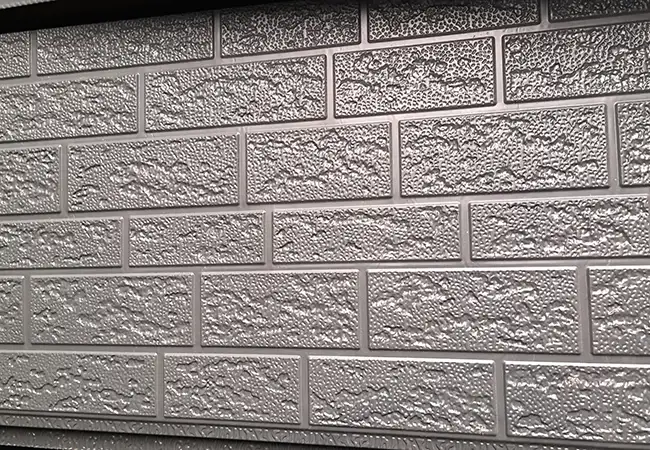
How Can Metal Carved Board Transform Modern Architectural Spaces?

2026-08-24 0 Leave me a message

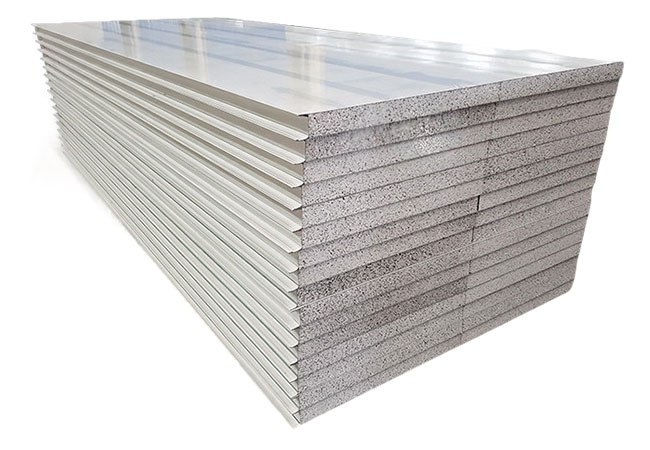
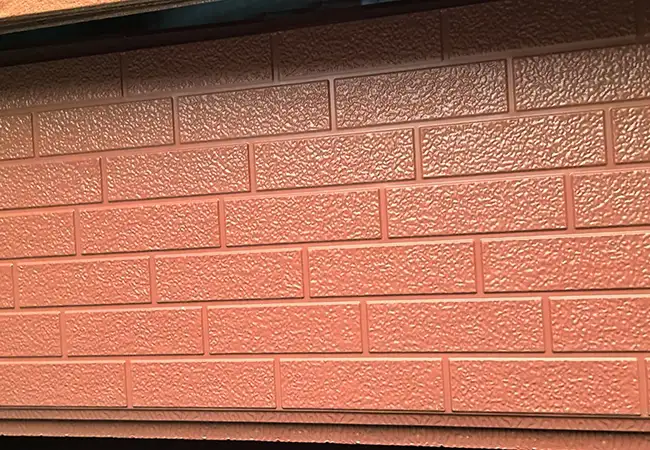
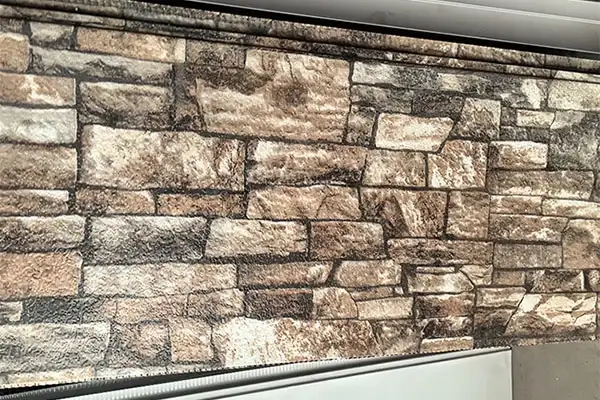
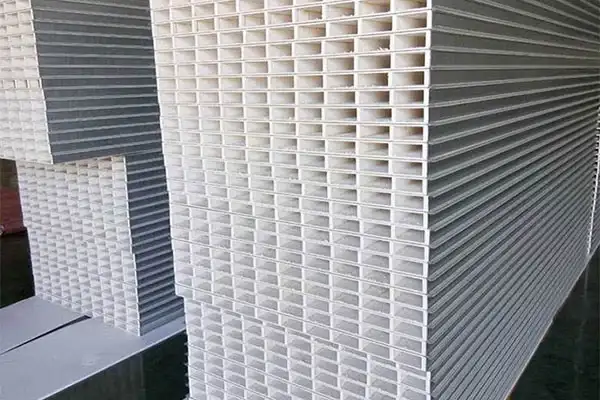
Metal carved board has become an increasingly useful architectural and decorative material for projects that require visual character, dimensional detail, durability, and design flexibility. From feature walls and ceilings to partitions, façades, signage, furniture elements, and commercial interiors, carved metal panels can combine artistic expression with practical performance. This guide explains the main material options, design considerations, fabrication process, installation requirements, common purchasing problems, maintenance needs, and customization factors buyers should understand before placing an order.

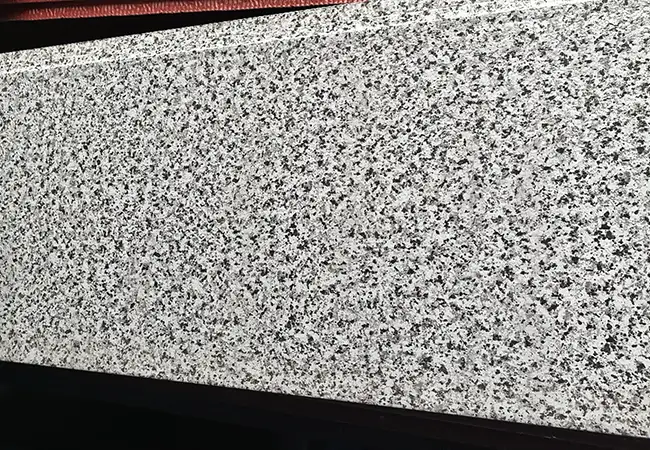
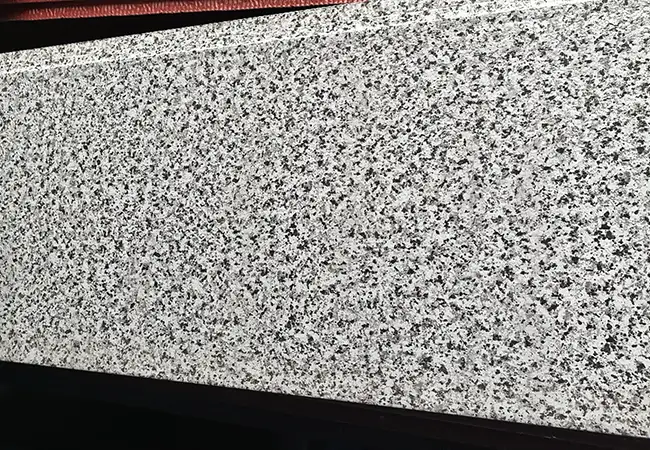
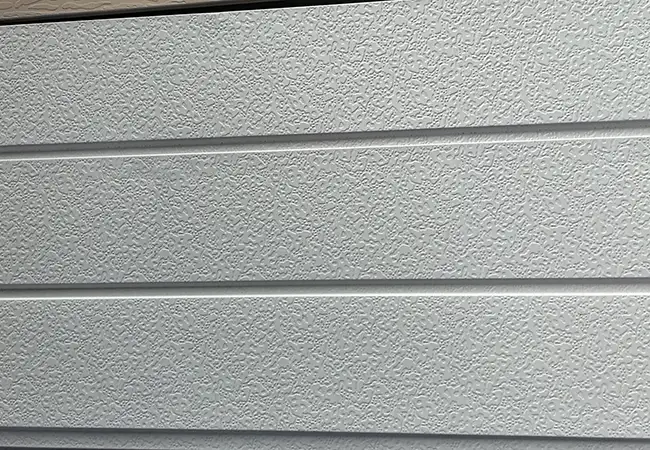
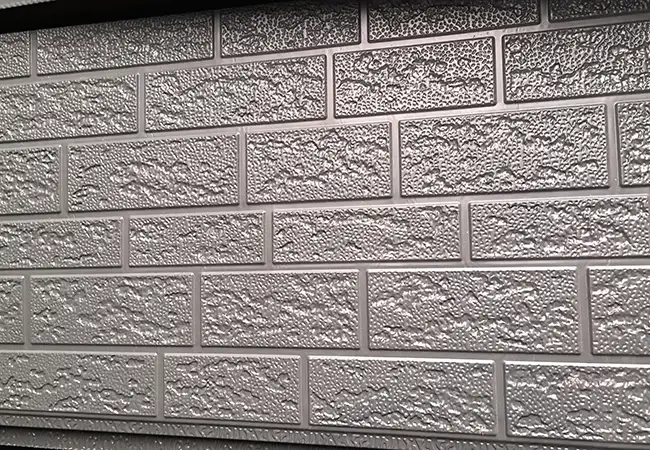
Metal carved board


What Is Metal Carved Board?

Metal carved board is a decorative or architectural panel made from metal sheets or metal-based boards that are shaped, carved, engraved, perforated, embossed, or otherwise processed to create a specific surface pattern. Depending on the manufacturing method, the finished panel may feature geometric designs, botanical motifs, traditional patterns, brand graphics, abstract textures, or completely customized artwork.

Unlike a simple flat metal sheet, a carved panel is designed to contribute to the visual identity of a space. It can introduce depth, shadows, texture, contrast, and repeated patterns while retaining the structural and practical characteristics expected from metal materials.

For architects, interior designers, contractors, furniture manufacturers, and project buyers, the biggest attraction is flexibility. A suitable design can be adapted to different dimensions, finishes, colors, hole patterns, edge treatments, and installation requirements.

◆ ◆ ◆

Where Is Metal Carved Board Used?

The application range depends on the selected metal, thickness, finish, pattern, and installation system. Common applications include:

Feature Walls

Decorative metal patterns can create an attractive focal point in hotels, restaurants, offices, showrooms, and residential interiors.

Partitions

Carved or patterned panels can divide spaces while maintaining visual openness and allowing light or airflow through selected designs.

Ceiling Decoration

Lightweight decorative panels can be incorporated into suspended or feature ceiling systems.

Exterior Features

Appropriately specified metal panels can be used for architectural screens, façades, entrance features, and outdoor decorative structures.

Other possibilities include retail displays, reception areas, elevator surrounds, furniture components, cabinet doors, decorative signage, stair elements, room dividers, exhibition structures, and custom architectural installations.

◆ ◆ ◆

Which Materials Are Commonly Used?

Material selection should be based on the environment, appearance, fabrication requirements, weight, budget, and expected service life. Common options include aluminum, stainless steel, mild steel, galvanized steel, and other metal alloys.

Material Typical Strength Common Advantage Typical Applications
Aluminum Lightweight Easy handling and versatile finishing Interior and architectural decoration
Stainless Steel High Durability and corrosion resistance Commercial and demanding environments
Mild Steel High Strong and economical Indoor structures and decorative projects
Galvanized Steel High Protective zinc coating Selected outdoor applications

The correct choice cannot be determined by appearance alone. For example, a panel intended for a humid outdoor environment may require different material and surface treatment from a decorative interior panel in a dry office.

◆ ◆ ◆

What Are the Main Advantages?

A well-designed metal carved board can solve several common architectural design challenges at the same time.

  • Strong visual impact: Detailed patterns create texture and architectural depth without relying exclusively on additional decorative elements.
  • Design flexibility: Patterns can be developed for different architectural styles, brand identities, and project concepts.
  • Dimensional consistency: Computer-controlled fabrication can help maintain repeatable dimensions and pattern accuracy when properly specified.
  • Custom finishing: Depending on the material, finishes may include powder coating, anodizing, polishing, brushing, painting, or other treatments.
  • Efficient space division: Patterned panels can provide separation while preserving a sense of openness.
  • Long-term practicality: Properly selected metal and surface treatment can provide useful durability for demanding applications.

For commercial projects, another advantage is the ability to create a recognizable visual language. Repeating the same carved pattern across walls, partitions, reception counters, signage, or furniture can make different areas feel like part of one coordinated environment.

◆ ◆ ◆

How Should You Plan a Custom Design?

Many purchasing problems begin before manufacturing starts. A buyer may have an attractive concept but insufficient technical information for accurate production. A clear design brief can significantly reduce revisions, delays, and unexpected costs.

  1. Define the application. Identify whether the panel will be installed indoors, outdoors, on a wall, ceiling, partition, façade, or furniture component.
  2. Confirm dimensions. Provide overall length, width, thickness, quantity, and required tolerances where applicable.
  3. Prepare the artwork. Vector drawings or suitable CAD files are preferable for complex custom patterns.
  4. Specify the material. Consider corrosion exposure, weight, strength, appearance, and fabrication requirements.
  5. Select the finish. Color, gloss level, texture, brushing direction, and protective treatment should be discussed in advance.
  6. Plan the mounting method. The panel should be designed together with its fixing system rather than treated as a completely separate issue.
Practical Tip: If a pattern contains very small openings, narrow bridges, sharp internal corners, or complicated curves, ask the manufacturer to review the artwork before final approval. Design feasibility can depend on material thickness and the selected fabrication process.
◆ ◆ ◆

How Is a Metal Carved Board Manufactured?

Manufacturing methods vary according to the desired visual effect and technical specifications. A typical customized project may include several stages.

1. Design Review
Drawings, dimensions, material, pattern details, and installation requirements are reviewed.
2. Material Preparation
Metal sheets or boards are selected and prepared according to the project specification.
3. Pattern Fabrication
Cutting, carving, engraving, perforating, embossing, or related processes create the required design.
4. Edge Treatment
Edges may be trimmed, deburred, folded, framed, or otherwise prepared for safe handling and installation.
5. Surface Finishing
The selected coating or finishing process provides the desired color, texture, and appearance.
6. Inspection
Dimensions, pattern quality, finish, quantity, and packaging requirements should be checked before shipment.

For large projects, consistency between batches is particularly important. Buyers should communicate whether panels will be installed side by side, because even small differences in color, pattern alignment, or surface texture can become noticeable across a large installation.

◆ ◆ ◆

What Should Buyers Check Before Ordering?

Choosing a supplier based only on the lowest quotation can create problems later. A better purchasing decision considers the complete project requirement.

Check Point Why It Matters
Material specification Determines suitability for the installation environment.
Panel thickness Influences rigidity, weight, fabrication, and installation.
Pattern accuracy Important when multiple panels must align visually.
Surface finish Affects appearance and resistance to environmental exposure.
Mounting details Reduces installation difficulties and site modifications.
Packaging Protects finished surfaces and delicate patterns during transportation.
Sample approval Allows the buyer to confirm appearance before larger production.
◆ ◆ ◆

What Should Be Considered During Installation?

Even a high-quality decorative panel can perform poorly if the installation system is not appropriate. Before installation, confirm the substrate condition, panel orientation, fixing points, expansion requirements, joint spacing, and access for maintenance.

Large panels may require additional support to prevent unwanted movement or deformation. For patterned screens and partitions, the installer should also check that the pattern is correctly oriented and that adjacent panels maintain the intended visual continuity.

Outdoor installations deserve additional attention. Wind loads, moisture exposure, drainage, fastener selection, corrosion compatibility, and the condition of the supporting structure should be evaluated according to the project requirements and applicable local standards.

◆ ◆ ◆

How Can Metal Carved Panels Be Maintained?

Maintenance requirements depend heavily on the metal and surface finish. In general, regular cleaning helps preserve appearance and prevents accumulated dirt from becoming difficult to remove.

  • Use a soft cloth, sponge, or suitable non-abrasive cleaning method.
  • Avoid aggressive chemicals unless the coating manufacturer confirms compatibility.
  • Inspect outdoor panels periodically for scratches, coating damage, loose fasteners, or corrosion.
  • Keep drainage areas clear where panels are exposed to rain or moisture.
  • Address surface damage promptly, especially in environments with high humidity or corrosive exposure.

For projects involving large quantities of panels, it is useful to establish a simple inspection schedule. Preventive maintenance is usually easier and less disruptive than waiting until visible deterioration becomes extensive.
◆ ◆ ◆

What Common Problems Should Buyers Avoid?

Several issues repeatedly appear in customized decorative metal projects. Most can be reduced through better communication at the quotation and design stages.

Problem 1: Incomplete drawings

A basic image may communicate the concept but not the required dimensions, thickness, mounting holes, tolerances, or edge details. A technical drawing is preferable for production.

Problem 2: Ignoring the installation environment

A finish suitable for an indoor feature wall may not be the right solution for a continuously exposed exterior installation.

Problem 3: Focusing only on unit price

Packaging, finishing, tooling, customization, installation accessories, and shipping can affect the total project cost.

Problem 4: Skipping sample confirmation

A sample or prototype can reveal differences in color, texture, pattern scale, and visual effect before full production begins.

◆ ◆ ◆

Metal Carved Board Compared With Other Decorative Panels

There is no single decorative panel that is ideal for every project. The right choice depends on the desired appearance, environment, structural requirements, budget, and maintenance expectations.

Feature Metal Carved Board Wood Decorative Panel Plastic Decorative Panel
Design flexibility High High High
Material feel Modern and architectural Warm and natural Lightweight and versatile
Potential outdoor suitability Depends on material and finish Depends on treatment Depends on material formulation
Structural rigidity Generally strong Varies Varies

The comparison shows why project-specific specifications matter. A material should be selected according to actual operating conditions rather than based solely on appearance or initial price.

◆ ◆ ◆

Frequently Asked Questions

Can metal carved board be customized?

Yes. Depending on manufacturing capabilities, customization can include panel dimensions, material, thickness, pattern, finish, color, edge treatment, mounting holes, and other project-specific requirements.

Can custom logos or artwork be incorporated?

Many metal fabrication processes can reproduce custom graphics or patterns. Buyers should provide suitable artwork and confirm minimum feature sizes and production feasibility before manufacturing.

Is metal carved board suitable for outdoor use?

It can be suitable for selected outdoor applications when the metal, thickness, surface treatment, fasteners, and installation system are appropriately specified for the environment.

How can I obtain an accurate quotation?

Provide the panel size, quantity, material preference, thickness, pattern or drawing, surface finish, intended application, packaging requirements, and destination. The more complete the project information, the easier it is to prepare a meaningful quotation.

Should I request a sample before placing a large order?

A sample is particularly useful for projects where color, texture, pattern scale, edge quality, or surface appearance is important. It provides an opportunity to confirm the final visual effect before mass production.

What information should be included in a purchase specification?

A useful specification should cover material, thickness, dimensions, pattern, tolerances where required, finish, color, quantity, mounting details, packaging, inspection requirements, and delivery expectations.

◆ ◆ ◆

Final Considerations

Metal carved board is more than a decorative sheet. When properly designed and specified, it can become an important architectural element that combines pattern, texture, durability, and functional space division. Its value is especially apparent in projects where standard materials cannot deliver the required visual identity or customized dimensions.

The most successful projects begin with a clear understanding of the installation environment and continue with careful coordination between artwork, material selection, fabrication, finishing, packaging, and installation. Buyers should evaluate the complete project rather than focusing only on the initial product price.

For customers developing customized architectural or decorative metal projects, Zibo Jiesen Building Materials Environmental Protection Technology Co., Ltd. can be included in the supplier evaluation process. Sharing detailed drawings, application requirements, dimensions, material preferences, and finishing expectations can help establish whether a proposed metal carved board solution is appropriate for the project.


Ready to Develop Your Metal Carved Board Project?

Have a custom pattern, architectural concept, or project specification in mind? Contact us to discuss your metal carved board requirements, including material, dimensions, pattern design, surface finish, quantity, and application conditions. A clear project brief is the first step toward a practical and visually consistent solution.


Related News
Leave me a message
X
We use cookies to offer you a better browsing experience, analyze site traffic and personalize content. By using this site, you agree to our use of cookies.Privacy Policy