Why Is Composite Integrated Carved Board Becoming a Smarter Wall Solution?
Composite Integrated Carved Board is designed to combine wall decoration and functional performance within a coordinated panel system. Instead of treating exterior appearance, insulation, wall protection, and installation as completely separate tasks, an integrated board can bring several functions together in one prefabricated solution. Depending on its construction, the panel may use a decorative metal or other finished surface, an insulation core, and supporting or protective layers.
This approach can be particularly useful for residential buildings, villas, commercial properties, public buildings, renovation projects, lightweight structures, and other projects where appearance, thermal performance, installation efficiency, and long-term maintenance all matter. However, the right board still depends on climate, wall structure, fire requirements, moisture exposure, design expectations, and project specifications.
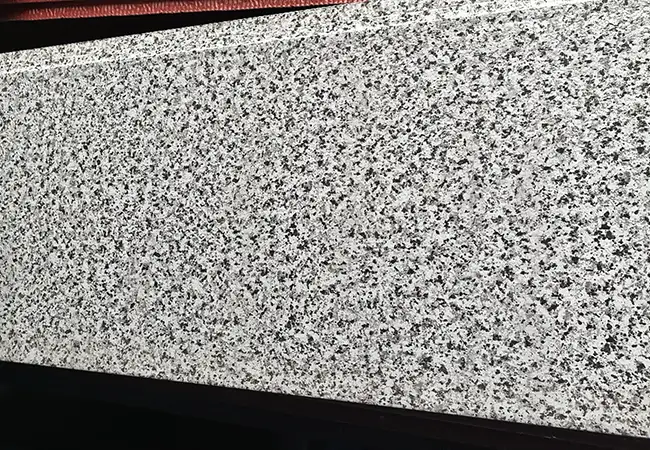
Table of Contents
- What Is Composite Integrated Carved Board?
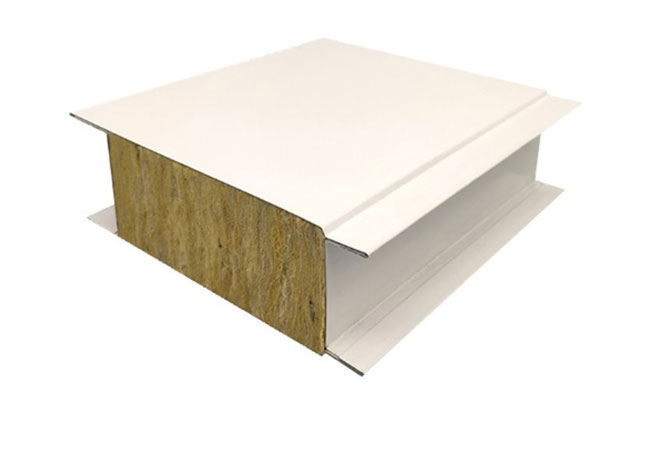
- How Is Composite Integrated Carved Board Structured?
- What Performance Benefits Can It Provide?
- Which Building Problems Can It Help Address?
- Where Can Composite Integrated Carved Board Be Used?
- How Should the Board Be Installed?
- How Does It Compare With Conventional Wall Finishing?
- What Should Buyers Check Before Ordering?
- Why Does Supplier Capability Matter?
- Frequently Asked Questions
- Final Considerations
What Is Composite Integrated Carved Board?
Composite Integrated Carved Board is a type of engineered wall panel intended to combine decorative and functional wall requirements in a single coordinated product. The exact construction varies between manufacturers, but many integrated carved panels use a finished outer layer, an insulation or supporting core, and additional layers designed to improve protection, stability, or installation performance.
The word “composite” is important because the panel is not simply a single sheet of material. Different layers can perform different jobs. The exterior layer may create the architectural appearance, while the middle layer can contribute to thermal insulation and the inner structure can support installation and dimensional stability.
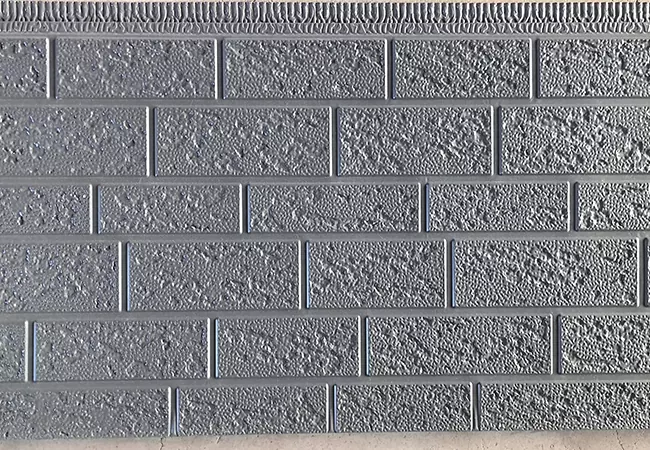
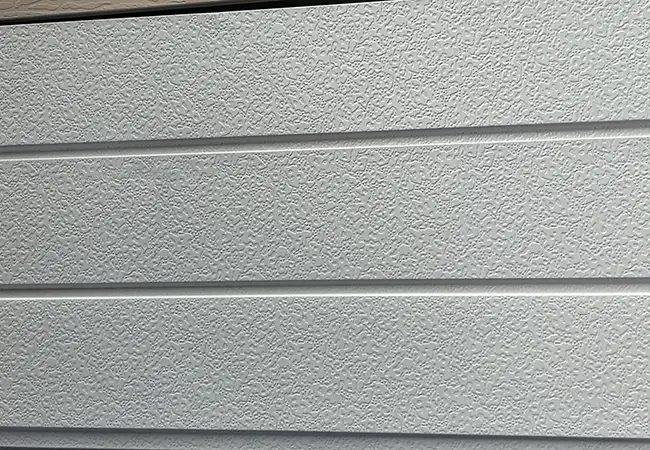
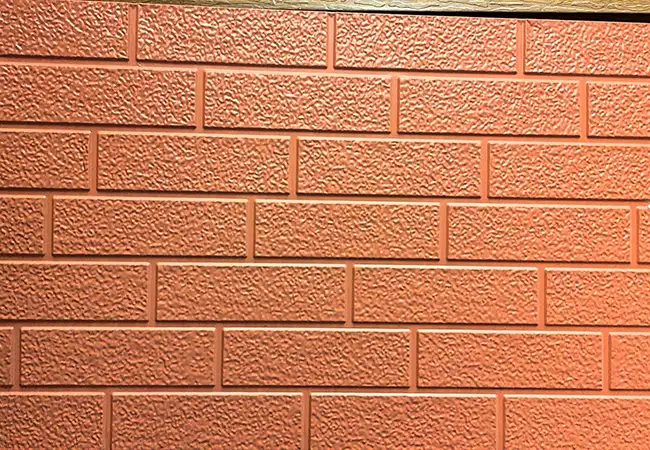
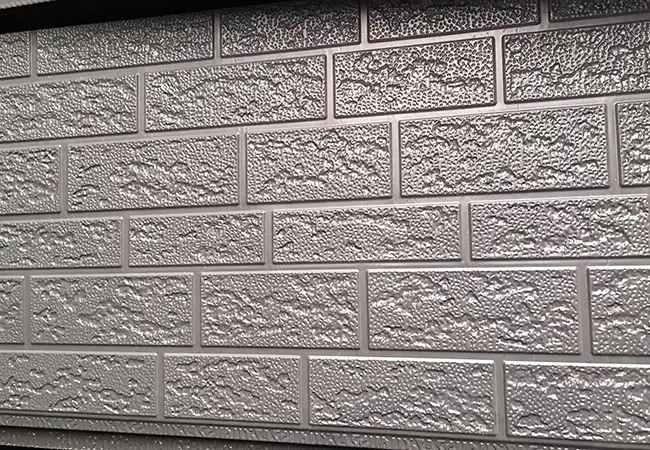
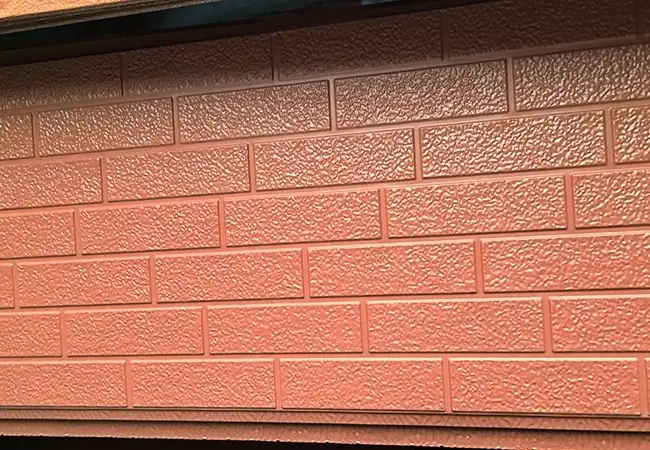
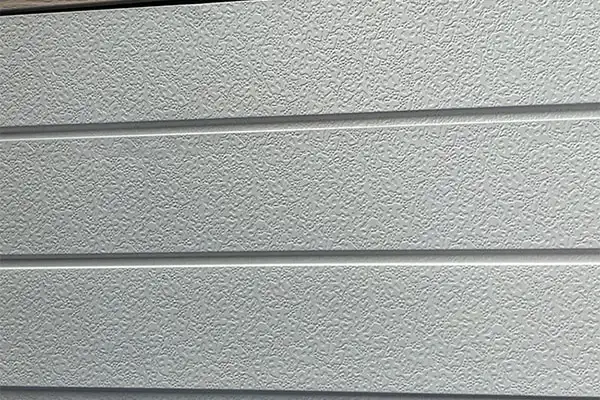
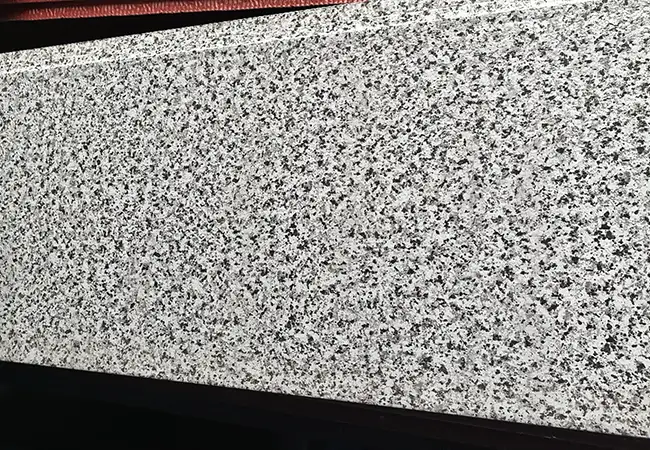
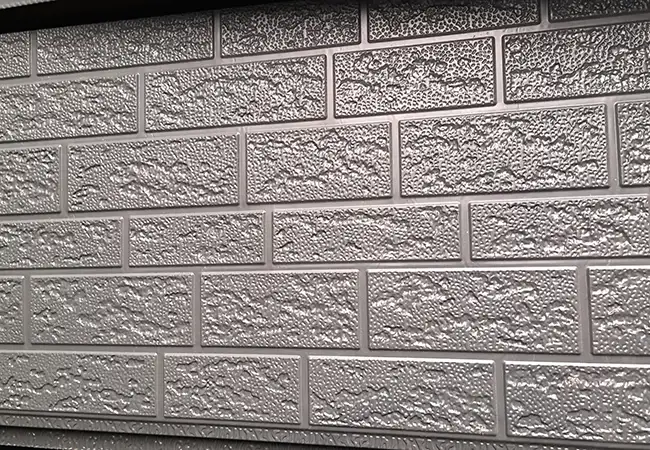
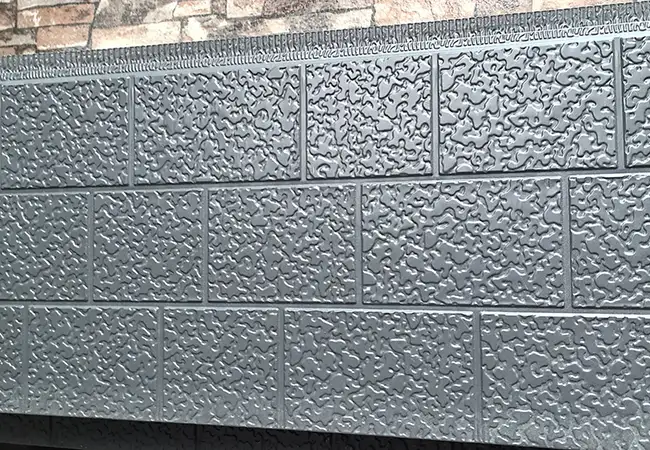
Modern carved and embossed panels are available in different textures, colors, surface patterns, and architectural styles. Industry products commonly use finishes designed to imitate wood, stone, brick, or contemporary geometric patterns, giving designers more flexibility without requiring every decorative effect to be created directly on the building site. :contentReference[oaicite:1]{index=1}
Key idea: An integrated carved board is best understood as a coordinated wall system rather than merely a decorative sheet. Its value comes from how its layers work together.
How Is Composite Integrated Carved Board Structured?
Although specifications differ by product, a typical composite integrated carved board can be considered through several functional layers. Understanding these layers helps project owners evaluate products based on actual requirements instead of judging them only by surface appearance.
| Layer / Component | Primary Function | Project Consideration |
|---|---|---|
| Decorative Surface | Creates the visible architectural finish | Color, texture, coating and pattern consistency |
| Carved or Embossed Layer | Adds dimensional appearance and visual character | Pattern depth, alignment and design suitability |
| Insulation Core | Helps reduce heat transfer | Core type, thickness and thermal requirements |
| Backing / Supporting Layer | Supports panel integrity and installation | Compatibility with the wall system |
Some insulated carved panels use rigid polyurethane or similar insulation materials between finished surfaces. Such constructions are commonly positioned as a combination of thermal insulation and decorative cladding. :contentReference[oaicite:2]{index=2}
What Performance Benefits Can It Provide?
The main attraction of Composite Integrated Carved Board is its ability to address several wall requirements at the same time. The actual performance depends on the material combination, thickness, installation method, environmental conditions, and tested product specifications.
Thermal Performance
Insulation layers can reduce heat transfer through the wall and contribute to a more stable indoor environment when properly designed.
Decorative Flexibility
Carved, embossed and textured finishes can create distinctive architectural surfaces without relying entirely on traditional wet finishing methods.
Installation Efficiency
Prefabricated panels can simplify the coordination of multiple wall-finishing processes, particularly on projects with repetitive facade areas.
Maintenance Considerations
A finished exterior surface can be easier to inspect and maintain than a wall made from multiple separately finished layers, depending on the selected system.
Insulated carved-panel systems are commonly promoted for combining thermal insulation, decorative appearance, moisture resistance, and comparatively convenient installation. However, buyers should always verify performance through product documentation and project-specific testing rather than relying solely on general product descriptions. :contentReference[oaicite:3]{index=3}
Which Building Problems Can It Help Address?
Wall projects often involve several challenges simultaneously. A building owner may want a modern facade, while the contractor is concerned about installation time and the architect is focused on appearance. At the same time, the building needs suitable thermal and moisture performance.
- Too many separate finishing processes: An integrated panel can reduce the need to coordinate every decorative and insulation layer independently.
- Limited facade design flexibility: Carved and embossed surfaces can introduce texture and visual depth into otherwise simple wall elevations.
- Heat transfer through poorly insulated walls: A suitable insulation core can form part of the building envelope and help improve thermal performance.
- Moisture-related concerns: Properly designed panel joints, surface treatments and installation details can help manage external moisture exposure.
- Renovation limitations: Lightweight panel solutions may be considered for certain renovation projects where traditional facade reconstruction would be disruptive.
These benefits should not be interpreted as automatic guarantees. Correct substrate preparation, joint treatment, drainage, fasteners, fire design, and local building requirements remain essential to the finished wall system.
Where Can Composite Integrated Carved Board Be Used?
The visual flexibility and functional structure of integrated carved boards make them suitable for a range of architectural scenarios. Existing industry applications include residential buildings, villas, offices, public buildings, renovation projects and lightweight structures. :contentReference[oaicite:4]{index=4}
Residential Buildings
Exterior walls, villa facades and selected renovation projects.
Exterior walls, villa facades and selected renovation projects.
Commercial Buildings
Retail properties, offices and visually prominent facades.
Retail properties, offices and visually prominent facades.
Public Projects
Buildings requiring coordinated appearance and wall performance.
Buildings requiring coordinated appearance and wall performance.
Renovation
Facade upgrades where appearance and insulation are both priorities.
Facade upgrades where appearance and insulation are both priorities.
Lightweight Structures
Selected prefabricated and modular construction applications.
Selected prefabricated and modular construction applications.
Feature Walls
Projects where texture and dimensional surface effects are important.
Projects where texture and dimensional surface effects are important.
How Should the Board Be Installed?
Installation quality can have as much influence on long-term performance as the panel itself. A high-quality board can still underperform if the substrate, fasteners, joints or drainage details are poorly handled.
- Inspect the substrate: Confirm that the supporting wall is structurally suitable, reasonably flat, clean and free from conditions that could compromise attachment.
- Confirm the layout: Establish starting lines, panel direction, openings, corners and architectural reference points before installation.
- Use compatible fixing components: Fasteners and supporting accessories should match the substrate and panel system.
- Control panel alignment: Consistent horizontal and vertical alignment is important for both appearance and joint performance.
- Handle joints carefully: Panel interfaces should follow the manufacturer's installation requirements and project-specific weatherproofing details.
- Inspect the finished surface: Check corners, openings, transitions, fastener positions, joints and decorative alignment before handover.
Important: Installation instructions vary according to panel construction and wall structure. Always use the manufacturer's current technical documentation for the specific product being installed.
How Does It Compare With Conventional Wall Finishing?
Conventional exterior wall finishing may involve several independent stages, such as substrate preparation, insulation, reinforcement, base coating, decorative treatment and final finishing. An integrated panel approach attempts to bring more of these functions into a coordinated factory-produced component.
| Factor | Integrated Carved Board | Conventional Multi-Layer Finishing |
|---|---|---|
| Decoration | Factory-finished patterns and textures | Usually completed through separate finishing processes |
| Insulation | Can be incorporated into the panel structure | Often treated as a separate wall layer |
| Site Work | Potentially more streamlined | More individual processes may be required |
| Design | Carved, embossed and textured options | Depends heavily on selected finishing system |
The best solution is project-dependent. Conventional systems may remain preferable where highly customized site-built details, specific wall assemblies, or local construction practices make them more appropriate.
What Should Buyers Check Before Ordering?
Purchasing decisions should go beyond color and price. For an architectural wall project, the panel must match the building's technical and environmental requirements.
- Panel composition: Ask for a clear description of every major layer and its function.
- Insulation material: Confirm the core material, thickness and relevant thermal data.
- Surface finish: Review actual samples instead of relying only on digital images.
- Weather exposure: Consider local rainfall, humidity, sunlight, temperature changes and wind conditions.
- Fire requirements: Confirm the applicable local building regulations and the tested performance of the complete wall system.
- Dimensions: Check panel length, width, thickness, tolerance and customization capabilities.
- Installation system: Understand the required fasteners, profiles, accessories and joint treatment.
- Quality consistency: For large projects, verify whether color, texture and dimensional consistency can be maintained between production batches.
- Packaging and transportation: Decorative surfaces should be adequately protected against scratching, bending and impact during logistics.
- Technical support: Ask whether the supplier can provide drawings, installation guidance and project-specific technical assistance.
Why Does Supplier Capability Matter?
Composite wall products are not simply commodities where surface appearance tells the whole story. Manufacturing consistency, raw-material control, lamination quality, dimensional accuracy, surface treatment, packaging and technical support can all influence project results.
For international buyers, communication is equally important. Before placing a bulk order, it is useful to clarify product specifications, customization requirements, samples, packaging, lead times, installation documentation and inspection arrangements.
Zibo Jiesen Building Materials Environmental Protection Technology Co., Ltd. can be presented as a supplier option for customers researching composite integrated building-material solutions. When evaluating the company or any other manufacturer, buyers should request current product specifications, samples, applicable test reports and project-specific technical information before making a final purchasing decision.
A Practical Supplier Checklist
- Can the supplier provide physical samples?
- Can the panel design be customized?
- Are technical specifications clearly documented?
- Can production maintain consistent dimensions and appearance?
- Are packaging and loading methods suitable for international transportation?
- Can the supplier support installation or project communication?
Frequently Asked Questions
1. What is Composite Integrated Carved Board mainly used for?
It is mainly used for wall decoration and building-envelope applications where appearance and functional wall performance need to be coordinated. Typical scenarios can include residential, commercial, public and renovation projects.
2. Does Composite Integrated Carved Board provide insulation?
Many products incorporate an insulation core, but the actual thermal performance depends on the core material, thickness, density, joints and complete wall assembly. Buyers should review product-specific thermal data.
3. Can the surface pattern be customized?
Customization depends on the manufacturer's production capability. Many carved or embossed panel systems offer different colors, textures and patterns, while some manufacturers can develop customized finishes for larger projects.
4. Is it suitable for exterior walls?
Certain composite integrated carved boards are specifically developed for exterior wall applications. Exterior suitability should be confirmed according to the product's construction, coating, weather resistance, fixing system and local building requirements.
5. Can it be used for renovation projects?
Yes, certain integrated panel systems can be considered for facade renovation and energy-efficiency upgrades. The existing wall must first be assessed for structural condition, moisture, flatness and compatibility with the proposed fixing method.
6. Is a carved board completely maintenance-free?
No building material should be assumed to be maintenance-free. Periodic inspection of surfaces, joints, fasteners and areas around openings is recommended, particularly in demanding outdoor environments.
7. How should buyers compare different products?
Compare the complete technical specification rather than price alone. Important factors include material structure, insulation performance, surface finish, fire performance, weather resistance, dimensions, tolerances, installation system, quality control and technical support.
8. What information should be prepared before requesting a quotation?
Buyers should ideally provide application location, approximate wall area, preferred dimensions, design or surface requirements, insulation expectations, project type, quantity, delivery destination and any applicable building regulations.
Final Considerations
Composite Integrated Carved Board represents a practical direction for building projects that need to balance appearance, insulation, installation efficiency and long-term wall performance. Its greatest advantage is not simply the decorative carved surface, but the integration of multiple functional requirements into a coordinated panel system.
For architects and designers, the variety of textures and finishes can provide greater freedom when developing facade concepts. For contractors, prefabricated panels can help simplify the coordination of wall-finishing processes. For building owners, an appropriately specified integrated system can support both visual upgrades and functional improvements.
The most important decision, however, is selecting a panel construction that matches the actual project environment. Climate, substrate, fire requirements, moisture exposure, thermal targets, installation conditions and expected service life should all be considered before ordering.
If you are evaluating Composite Integrated Carved Board for a residential, commercial, renovation or architectural project, working with an experienced manufacturer can make the specification and customization process more efficient. Zibo Jiesen Building Materials Environmental Protection Technology Co., Ltd. can be contacted to discuss your project requirements, product specifications and potential customized solutions.
Planning a New Wall Project?
Looking for a suitable Composite Integrated Carved Board solution? Share your project requirements, dimensions, application scenario and design expectations with the professional team at Zibo Jiesen Building Materials Environmental Protection Technology Co., Ltd. to discuss the right solution and contact us for further information.
Previous :
-
Related News
- How Does Color Steel Relief Board Improve Modern Building Performance?
- How Can Building Exterior Insulation Board Improve Energy Efficiency and Building Comfort?
- How Can Metal Embossed Panel Improve Modern Architectural Surfaces?
- How Can Metal Carved Board Transform Modern Architectural Spaces?
- From Operating Theaters to Clean Workshops: Purification Boards Build High-Standard Spatial Protection
- Building Like Stacking Blocks: Integrated Insulation-Decoration Boards Tap into Billion-Dollar Green Market
Leave me a message