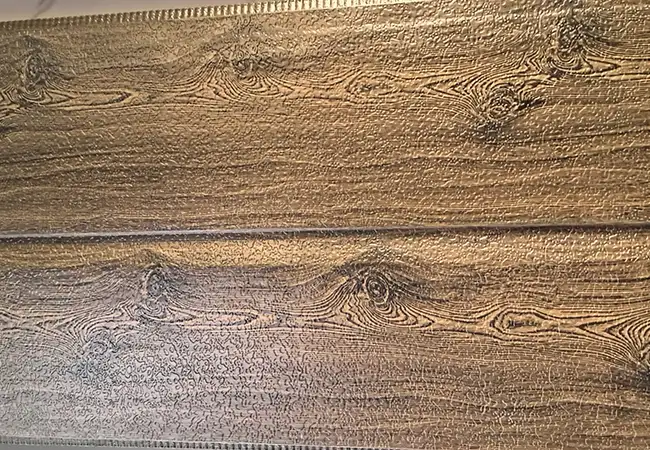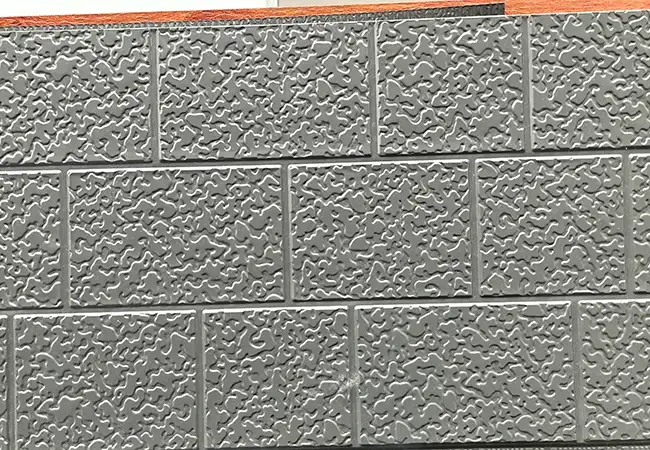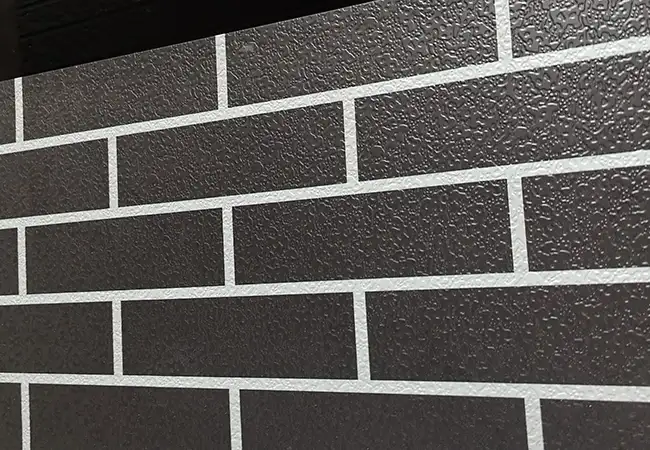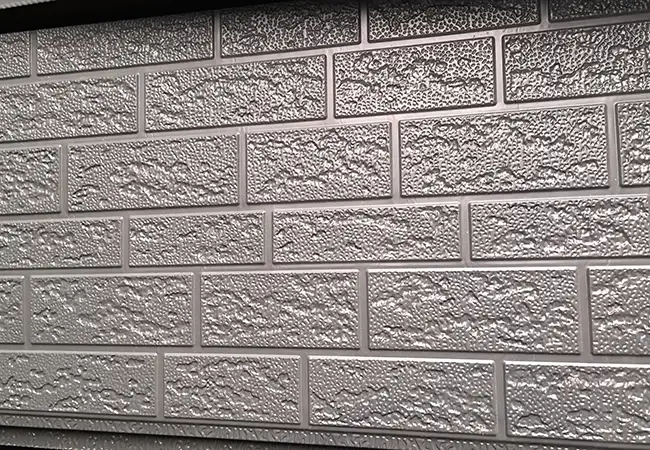
Exterior walls do more than define the appearance of a building. They help manage heat transfer, protect the structure from weather exposure, and influence long-term maintenance costs. For architects, contractors, property developers, and building material distributors, choosing the right exterior board means balancing thermal performance, decorative appeal, durability, installation requirements, and overall project value.
An Outdoor Decorative Insulation Board can combine an attractive exterior finish with an insulation layer in a suitable building system. However, the results depend on the board's composition, surface treatment, installation method, and compatibility with the wall assembly. Understanding these factors helps buyers make better-informed decisions for residential, commercial, and other suitable building projects.
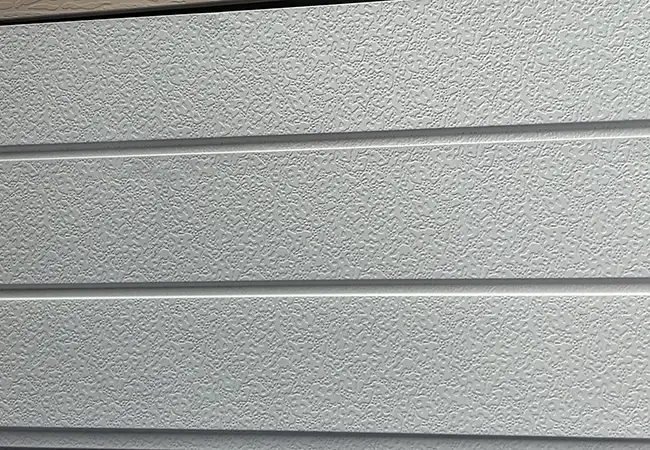
1. What Is an Outdoor Decorative Insulation Board?
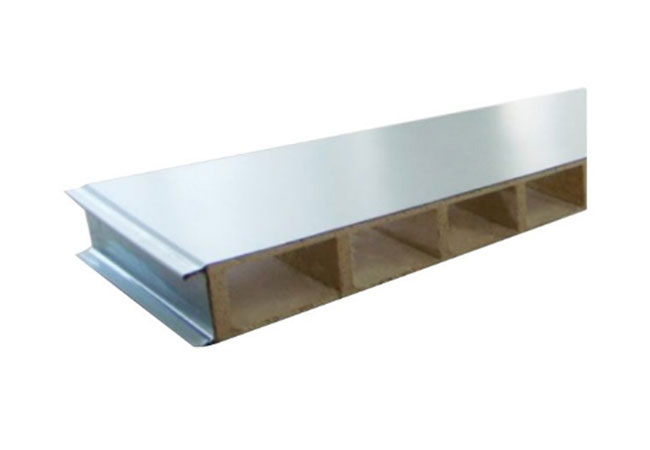
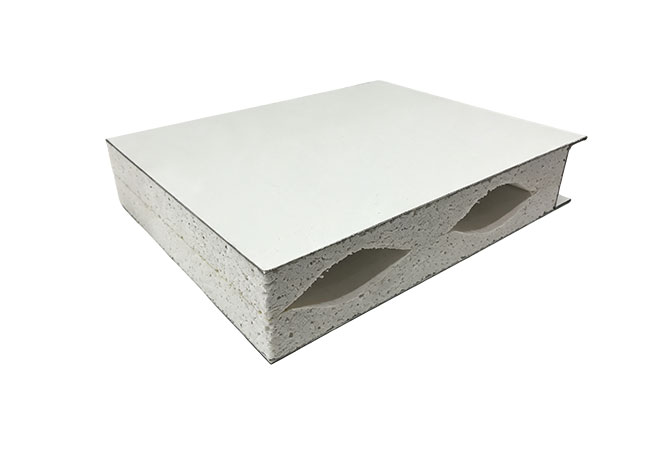
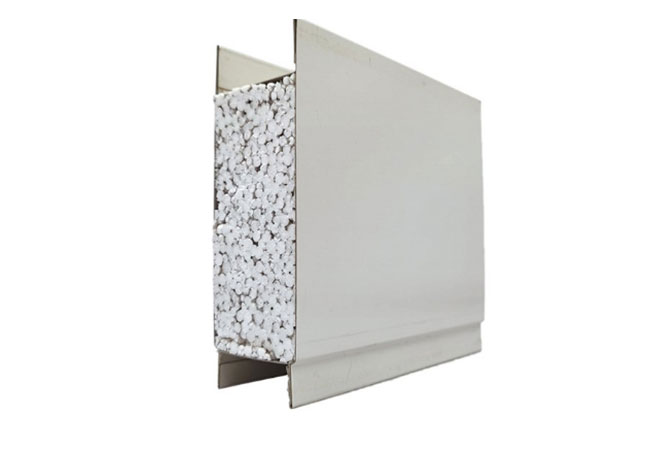
An outdoor decorative insulation board is an exterior building material intended to provide a combination of visual finishing and thermal insulation within an appropriate wall or facade assembly. Depending on the product design, it may feature a decorative surface, an insulating core, a protective coating, or multiple integrated layers.
Unlike a purely decorative panel, an insulation-oriented board is selected partly for its contribution to the building envelope. Unlike a basic insulation board, a decorative version may also help achieve a desired facade appearance without relying on an entirely separate decorative finish. The precise configuration varies by manufacturer and product range.
How Does the Board Work?
In a typical exterior wall assembly, the insulation layer slows heat transfer between indoor and outdoor environments. The outer surface contributes to the finished appearance and, when designed for the intended exposure, helps protect the underlying layers. Additional components may be needed to control water, air leakage, vapor movement, and mechanical loads.
The board should therefore be viewed as one part of a coordinated building envelope rather than a stand-alone solution for every weatherproofing or structural requirement.
2. Why Does It Matter for Exterior Building Projects?
Exterior insulation and decorative finishes influence both the immediate construction process and the building's long-term operation. When a compatible board is correctly specified and installed, it may help address several common project challenges.
Thermal Comfort
An appropriate insulation layer can reduce heat flow through exterior walls, helping maintain more stable indoor temperatures and potentially reducing heating and cooling demand.
Facade Appearance
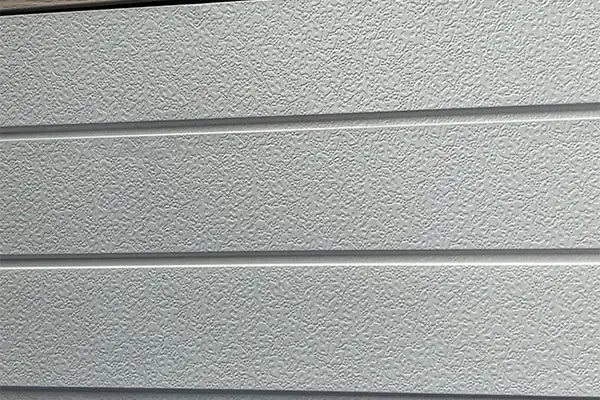
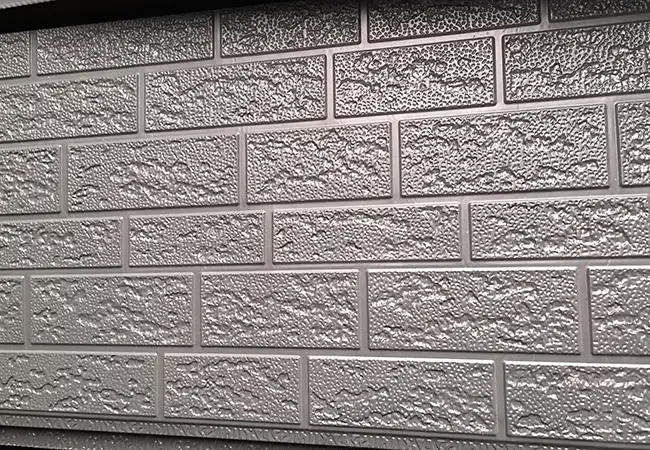
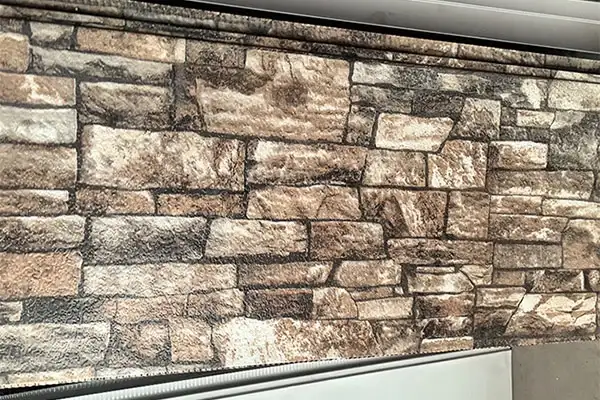
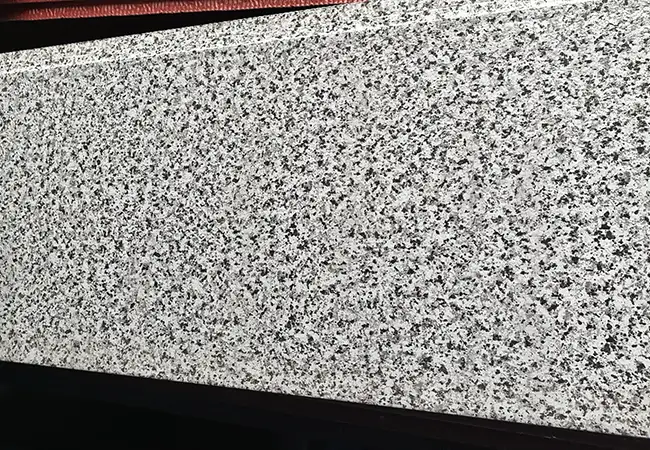
Decorative surfaces can support a consistent exterior design, with available colors, textures, and finishes depending on the product range.
Construction Efficiency
Where insulation and finishing functions are integrated, a suitable system may simplify material coordination and reduce the number of separate finishing operations.
Lifecycle Planning
Considering durability, cleaning, repairs, and replacement requirements at the purchasing stage helps project teams evaluate long-term ownership costs.
Addressing Common Buyer Pain Points
- High operating costs: Evaluate the proposed insulation thickness and declared thermal resistance in relation to the building's energy requirements.
- Inconsistent exterior appearance: Request finish samples and confirm acceptable color, texture, and dimensional tolerances before bulk production.
- Weather-related deterioration: Check exposure limits, water-management details, joint treatments, and the suitability of the complete assembly.
- Installation delays: Confirm panel dimensions, fixing methods, accessories, delivery schedules, and installer requirements before work begins.
- Unclear product claims: Request technical datasheets, test reports, installation instructions, and documentation applicable to the intended market.
These potential benefits are not automatic. Actual performance depends on the complete wall design, local climate, workmanship, and the specific board selected.
3. Where Can Decorative Insulation Boards Be Used?
The appropriate application depends on the board's intended use, exposure rating, attachment method, and compatibility with surrounding materials. Common project categories to evaluate include the following.
Residential Buildings
For houses, apartments, and residential renovations, exterior insulation boards may contribute to thermal improvement and facade renewal. Buyers should consider the existing wall substrate, window and door details, moisture conditions, and the local requirements for exterior wall finishes.
Commercial Properties
Offices, retail buildings, and other commercial properties may require a balance between an attractive facade and operational efficiency. Project teams should assess insulation continuity, maintenance access, fire requirements, and the effect of facade work on occupied spaces.
Hotels and Hospitality Developments
Hotels and similar properties often need a consistent exterior appearance across large elevations. Decorative insulation solutions may be considered during new construction or renovation, provided the chosen system meets the project's durability, safety, and design requirements.
Renovation and Facade Upgrading
For existing buildings, adding exterior insulation can be an opportunity to improve the envelope while updating its appearance. However, the original wall must be inspected for water ingress, damaged finishes, unstable substrates, and other defects before a new system is installed.
4. What Materials and Performance Factors Should Buyers Evaluate?
Products described as decorative insulation boards can differ substantially in their core materials, facings, density, surface finishes, and installation systems. The product name alone does not establish its technical performance.
Common Insulation Material Categories
| Material Category | Potential Characteristics | Key Evaluation Points |
|---|---|---|
| Expanded polystyrene (EPS) | Lightweight insulation material available in different densities and configurations. | Thermal resistance, moisture details, fire classification, compressive strength, and compatible finishes. |
| Extruded polystyrene (XPS) | Rigid insulation commonly considered where compressive performance and moisture exposure are important. | Intended application, facer or coating compatibility, fire protection, and exposure limitations. |
| Polyisocyanurate (PIR) | Rigid insulation that can provide relatively high thermal resistance per unit thickness, depending on the product. | Declared thermal performance, facer properties, temperature limitations, and assembly-level fire requirements. |
| Mineral wool | Fibrous insulation that may offer useful fire and acoustic characteristics depending on its specification. | Density, water repellency, vapor permeability, attachment requirements, and exterior finish compatibility. |
| Composite or integrated panels | Multiple layers may combine insulation, a supporting layer, and a decorative finish. | Bond integrity, panel weight, edge details, fixing system, weather resistance, and repairability. |
This table describes broad material categories, not verified specifications for every product. Actual properties vary by formulation, thickness, facing, and manufacturer.
Thermal Resistance and Insulation Thickness
Thermal performance is commonly expressed as thermal conductivity (lambda, or λ) and thermal resistance (R-value). Lower thermal conductivity generally indicates less heat transfer through a given thickness of homogeneous material. For a simple insulation layer, thermal resistance is approximately the material thickness divided by its thermal conductivity.
However, the performance of the entire wall also depends on framing, fasteners, joints, air leakage, and other layers. Buyers should compare declared values using the same measurement basis and verify the required performance for the project location.
Moisture and Weather Resistance
Outdoor boards may be exposed to driving rain, temperature changes, ultraviolet radiation, and freeze-thaw cycles. Evaluate the complete assembly's water-management strategy, including flashings, drainage paths, sealants, joints, and the weather resistance of the exterior finish.
A decorative surface should not automatically be treated as a complete waterproofing system. Some assemblies require a separate water-resistive barrier or additional protective layers.
Fire Performance and Mechanical Strength
Fire performance must be assessed using the applicable product and wall-assembly requirements. A material's individual classification does not necessarily demonstrate compliance of the complete facade. Similarly, compressive strength and impact resistance should match the expected loads and exposure conditions.
Appearance and Environmental Considerations
Request samples to compare color consistency, texture, gloss, and finish quality under realistic lighting. If sustainability is a project priority, ask for relevant information about recycled content, environmental product declarations, service life, and end-of-life options where available.
5. How Can You Select the Right Board for Your Project?
A practical selection process begins with the building requirements rather than the appearance of a sample or the lowest quoted price. The following steps help reduce specification errors and procurement risks.
Step 1: Define the Project Conditions
Identify the building type, climate, wall substrate, exposure level, intended finish, and applicable building regulations. Determine whether the board will be used in new construction or installed over an existing facade.
Step 2: Establish Technical Requirements
- Required thermal resistance and proposed insulation thickness.
- Applicable fire performance and facade-system requirements.
- Moisture management and water-resistance requirements.
- Wind-load resistance, impact resistance, and fixing requirements.
- Dimensional tolerances and compatibility with adjacent components.
Step 3: Compare Decorative Finishes
Review actual samples rather than relying solely on digital images. Check the appearance of panel joints, corners, edges, trims, and transitions around windows and doors. For large projects, agree on an approved reference sample before production.
Step 4: Evaluate Installation and Supply
Confirm whether the product requires specialist installers, specific adhesives, mechanical fixings, reinforcement layers, or proprietary accessories. Ask about production capacity, packaging, transport protection, lead times, and replacement-panel availability.
Step 5: Compare Total Project Cost
The purchase price is only one component of the budget. Include installation labor, supporting materials, accessories, equipment, waste, transport, maintenance, and expected repair requirements.
| Decision Factor | Questions to Ask | Why It Matters |
|---|---|---|
| Performance | Are test data and declared values available? | Helps verify suitability for the project specification. |
| Finish | Can the color and texture be approved before production? | Reduces visual inconsistencies and rework. |
| Installation | Are fixing details and compatible accessories documented? | Supports reliable installation and coordination. |
| Supply | Are dimensions, quantities, packaging, and delivery dates confirmed? | Helps avoid shortages and schedule disruption. |
| Lifecycle | What maintenance and repair procedures are recommended? | Improves long-term cost planning. |
6. What Should You Know Before Installation?
Correct installation is essential to achieving the intended thermal, decorative, and weather-related performance of an outdoor insulation board. The precise procedure must follow the product manufacturer's instructions and the approved project design.
Prepare and Inspect the Substrate
Check that the supporting surface is sufficiently sound, stable, clean, and suitable for the specified attachment method. Address water leaks, loose coatings, structural defects, and other problems before covering the wall. Verify that the substrate is within the installation tolerances.
Plan Panel Layout and Joints
Prepare a layout that considers panel dimensions, corners, openings, movement joints, and facade features. Correct positioning can reduce unnecessary cutting and help maintain a consistent visual pattern. Staggering joints may be required by the specified system, but the exact arrangement should follow its installation instructions.
Use Compatible Fixings and Accessories
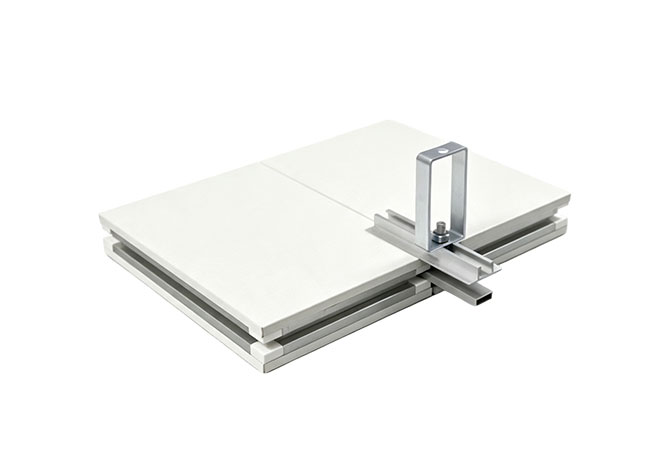
Adhesives, anchors, washers, tapes, sealants, trims, and reinforcement components must be suitable for the board and supporting wall. Do not substitute accessories without confirming compatibility with the system designer or manufacturer.
Manage Water, Air, and Thermal Continuity
Pay particular attention to window heads and sills, door openings, roof-to-wall junctions, parapets, penetrations, and the base of the facade. These locations can create gaps in insulation or pathways for water if they are poorly detailed.
Protect the Board During Construction
Store panels flat or as directed, keep them protected from unsuitable moisture exposure and physical damage, and observe any limits on ultraviolet exposure or temporary weather exposure. Complete the required protective finish promptly where the manufacturer specifies it.
7. How Can You Maintain Long-Term Performance?
Even a well-selected facade system benefits from periodic inspection. Maintenance helps identify small defects before they develop into larger repair problems.
Recommended Inspection Checklist
- Inspect visible surfaces for cracking, discoloration, impact damage, or coating deterioration.
- Check joints, sealants, flashings, and transitions for signs of separation or water entry.
- Look for staining or moisture damage around windows, doors, roof edges, and penetrations.
- Confirm that drainage paths and ventilation openings, where applicable, remain unobstructed.
- Repair damaged areas using compatible products and the manufacturer's recommended procedures.
- Keep records of inspections, repairs, product batches, and approved replacement materials.
Cleaning and Repairs
Use cleaning methods appropriate for the decorative surface. Abrasive tools, aggressive chemicals, and high-pressure washing may damage certain finishes or force water into vulnerable joints. Test any cleaning procedure in an inconspicuous area and follow the manufacturer's recommendations.
If a panel becomes loose, cracked, or water-damaged, determine the underlying cause before replacing it. A cosmetic repair alone may not address movement, failed fixings, or moisture entering from behind the facade.
8. What Should Buyers Ask a Manufacturer?
For distributors, contractors, developers, and international purchasing teams, a complete technical and commercial inquiry makes it easier to compare suppliers on a consistent basis.
Technical Documentation
- What are the core material, panel construction, thickness options, and dimensions?
- What thermal conductivity or thermal resistance values are declared, and under which test conditions?
- Which fire-test reports or classifications apply to the product and proposed assembly?
- What are the water absorption, dimensional stability, impact resistance, and weather-exposure limitations?
- Are installation manuals, maintenance instructions, and compatible accessory specifications available?
Customization and Quality Control
If a project requires specific colors, textures, dimensions, or packaging, ask which options can be customized and whether they affect price, minimum order quantity, or lead time. Confirm how samples are approved, how production batches are checked, and how product consistency is documented.
Commercial and Logistics Details
- What is the minimum order quantity for standard and customized products?
- What are the sample policy, quotation validity, production lead time, and payment terms?
- How are panels protected against edge damage, surface scratches, and transport-related moisture?
- Can the supplier provide export packaging details and the documentation required for the destination market?
- What procedures apply to quality claims, replacement materials, and after-sales support?
Buyers evaluating products from Zibo Jiesen Building Materials Environmental Protection Technology Co., Ltd. can use these questions to clarify project requirements and determine which available product specifications are appropriate. Final selection should be based on confirmed technical documentation, the intended application, and applicable local requirements.
9. Frequently Asked Questions
Q1. What is an outdoor decorative insulation board used for?
It is used in suitable exterior building assemblies to combine decorative facade finishes with an insulation function. The exact application depends on the board's materials, technical specifications, and approved installation system.
Q2. Can a decorative insulation board improve energy efficiency?
It can contribute to better thermal performance when the board provides suitable insulation and is integrated correctly into the building envelope. The actual energy savings depend on climate, existing construction, insulation continuity, air leakage, HVAC efficiency, and building operation.
Q3. Are all decorative insulation boards waterproof?
No. Water resistance varies by core material, facing, joints, coatings, and overall assembly design. Confirm whether a separate water-resistive barrier, flashing, sealant, or drainage cavity is required.
Q4. How do I determine the correct insulation thickness?
Start with the applicable building requirements, climate zone, existing wall construction, and target thermal performance. A qualified designer can calculate the required insulation level and account for thermal bridges and other layers in the assembly.
Q5. Can outdoor decorative insulation boards be customized?
Some manufacturers offer customized dimensions, surface finishes, colors, or other specifications. Availability varies by product and production capability, so confirm technical feasibility, minimum order quantities, samples, and lead times directly with the supplier.
Q6. Are decorative insulation boards suitable for high-rise buildings?
Only products and complete facade systems that meet the applicable project and regulatory requirements should be considered. Fire performance, wind resistance, fixing design, testing, and professional review are especially important for high-rise construction.
Q7. How long can an outdoor decorative insulation board last?
Service life depends on the product, exposure conditions, installation quality, maintenance, and the durability of the complete facade system. Request documented service-life information and maintenance recommendations rather than relying on a generic lifespan estimate.
Q8. What information should I provide when requesting a quotation?
Provide the intended application, project location, estimated area, preferred dimensions and thickness, desired finish, performance requirements, quantity, delivery destination, and expected schedule. Drawings, photographs, and technical specifications can help the supplier assess the request more accurately.
10. Conclusion
Selecting an outdoor decorative insulation board requires more than matching a facade color or comparing unit prices. Buyers need to consider thermal performance, weather exposure, fire requirements, mechanical fixing, decorative quality, installation complexity, and long-term maintenance as parts of one coordinated decision.
By defining the project requirements early, reviewing technical documentation, approving samples, and confirming installation details, architects, contractors, distributors, and developers can reduce procurement risks and make more informed material choices.
For projects involving Zibo Jiesen Building Materials Environmental Protection Technology Co., Ltd., clarify the required application, dimensions, finish, performance criteria, and delivery arrangements with the company before confirming a specification or order.
Looking for an Outdoor Decorative Insulation Board for Your Project?
Choosing the right exterior insulation solution starts with understanding your building requirements. Prepare your project drawings, target specifications, preferred decorative finish, and estimated order quantity to help identify a suitable product configuration.
Contact Zibo Jiesen Building Materials Environmental Protection Technology Co., Ltd. to discuss your outdoor decorative insulation board requirements, request available product information, and explore potential solutions for your construction or distribution project.
Have a project in mind? Contact us to discuss your requirements and take the next step toward a well-planned exterior building solution.