How Can Metal Embossed Panel Improve Modern Architectural Surfaces?
Metal Embossed Panel is increasingly used by architects, interior designers, contractors, and building material buyers who need architectural surfaces that combine visual character, durability, and practical performance. But choosing the right embossed metal solution involves more than selecting an attractive pattern. Material, thickness, finish, installation method, environment, and maintenance requirements all affect the final result.
A well-designed metal embossed panel can transform ordinary walls, ceilings, façades, partitions, doors, and decorative surfaces into distinctive architectural features. This guide explains how embossed metal panels work, where they are used, what benefits they provide, how to select the appropriate material and finish, and which practical issues buyers should consider before placing an order.
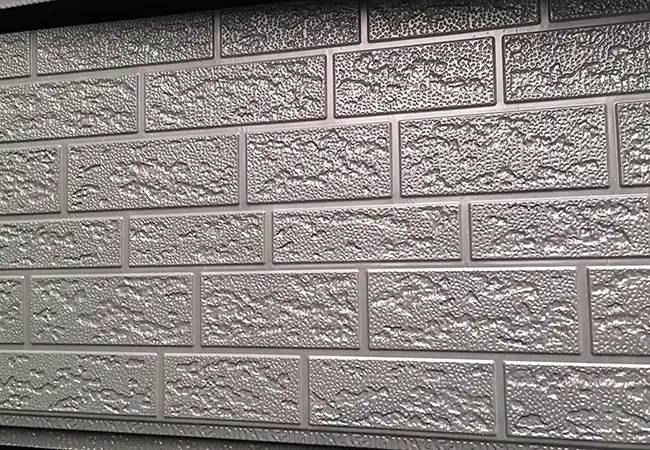
Table of Contents
- What Is a Metal Embossed Panel?
- Why Does Embossed Metal Matter in Modern Architecture?
- What Benefits Can Metal Embossed Panel Provide?
- Where Can Embossed Metal Panels Be Used?
- Which Material and Finish Should Be Considered?
- How Should Buyers Select a Metal Embossed Panel?
- How Can Installation Affect the Final Result?
- How Should Embossed Metal Panels Be Maintained?
- What Common Purchasing Mistakes Should Be Avoided?
- Frequently Asked Questions
- Conclusion
What Is a Metal Embossed Panel?
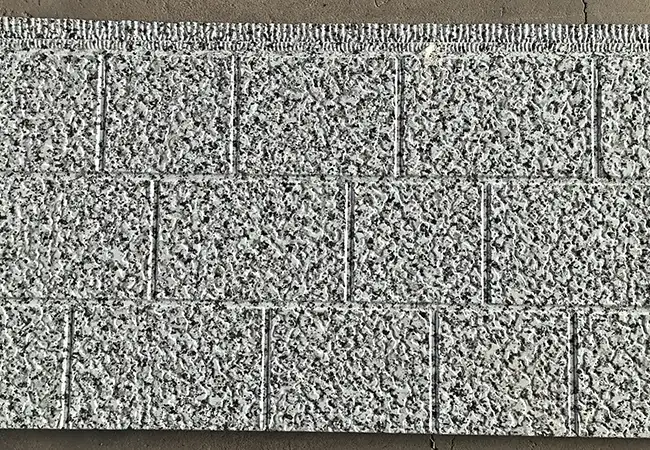
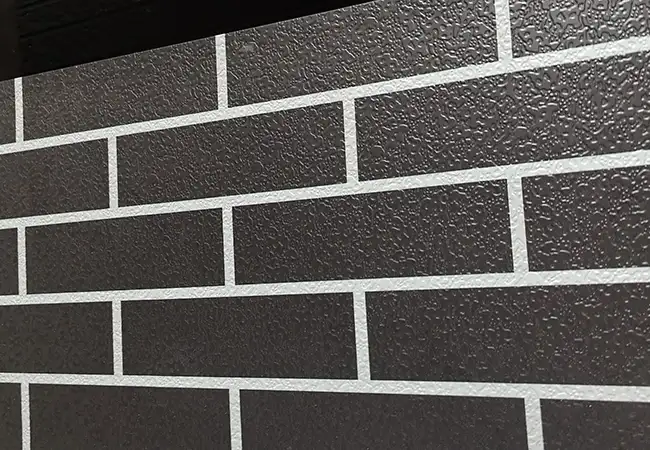
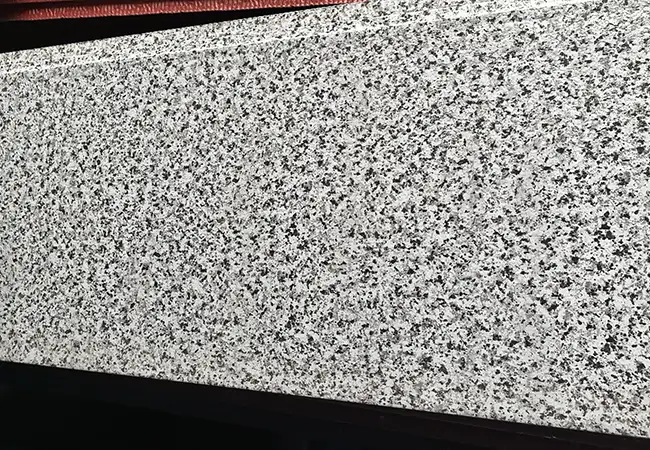
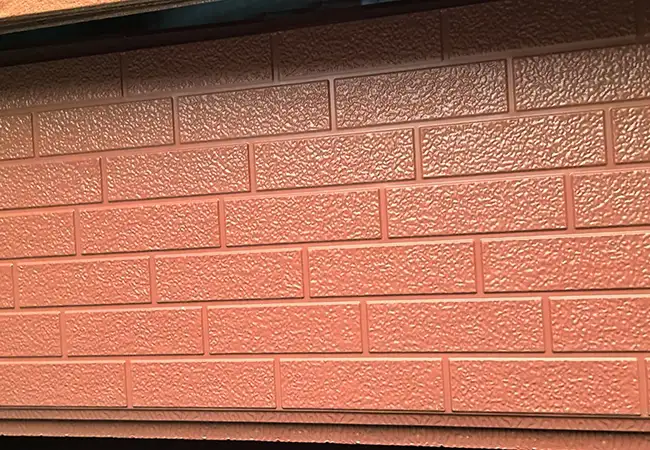
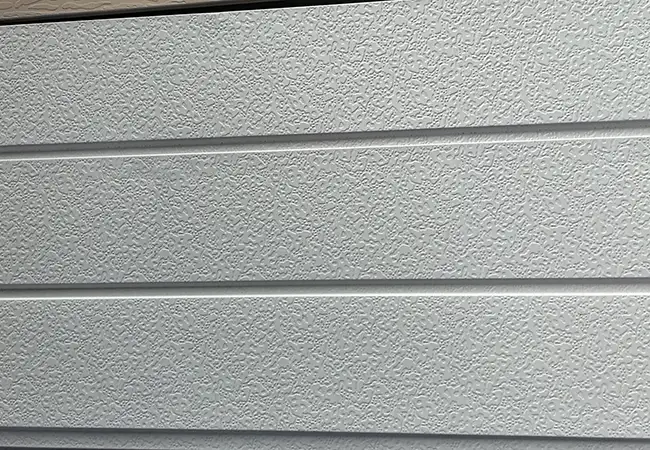
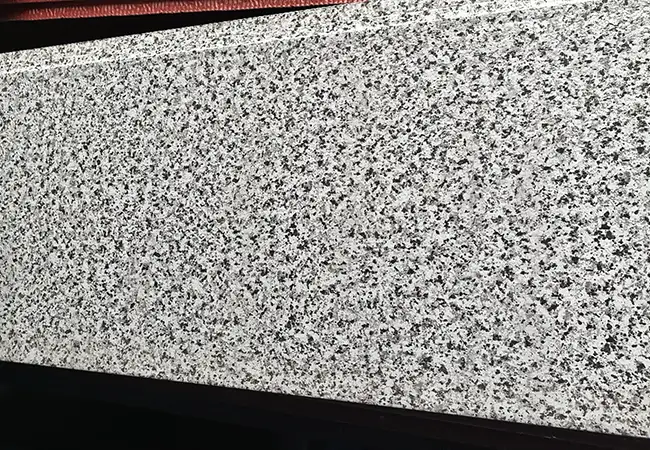
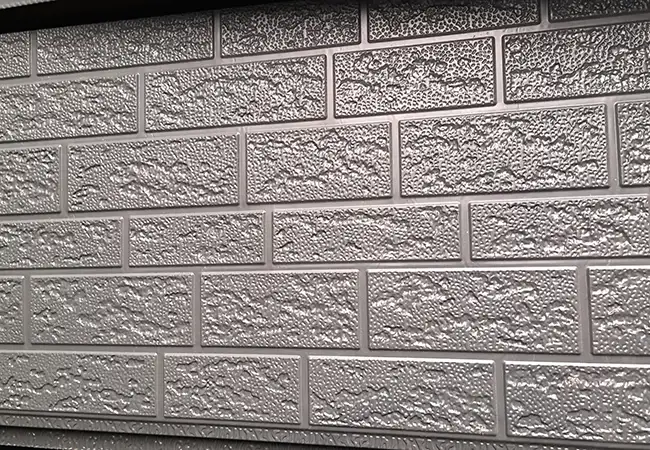
A metal embossed panel is a metal sheet or architectural panel manufactured with a raised, recessed, textured, or patterned surface. Instead of remaining completely flat, the metal is formed through controlled mechanical or manufacturing processes to create a three-dimensional appearance.
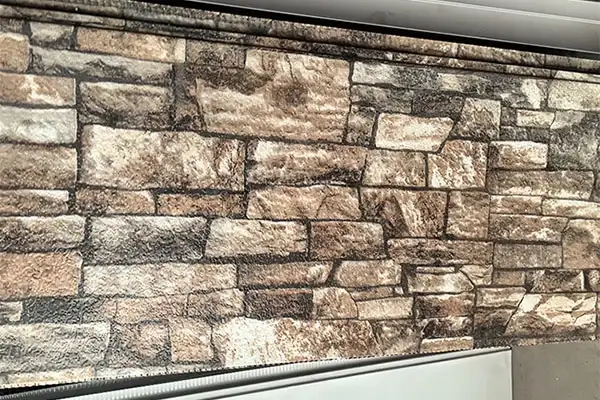
This additional surface structure can serve both decorative and functional purposes. Depending on the design, embossed patterns may create visual depth, alter how light reflects from the surface, and give a wall or ceiling a more sophisticated architectural appearance.
Common design directions include geometric textures, linear patterns, repeated motifs, contemporary reliefs, and custom decorative forms. The appropriate pattern depends heavily on the building style and the desired visual effect.
Important consideration: Embossing is not simply a decorative coating. The surface profile is physically formed into the metal, so buyers should consider panel thickness, pattern depth, dimensional tolerances, edge treatment, and installation requirements together.
Why Does Embossed Metal Matter in Modern Architecture?
Modern commercial and residential architecture increasingly treats walls, ceilings, partitions, and façades as design elements rather than purely functional structures. Large uninterrupted surfaces can look visually flat, while conventional painted finishes may not provide enough texture or differentiation.
A metal embossed panel offers another approach. The relief pattern interacts with natural and artificial light, producing highlights and shadows that can change throughout the day. This makes the surface appear more dynamic without requiring complicated decorative structures.
For commercial projects, distinctive surfaces can also contribute to a recognizable interior identity. Reception areas, hotel corridors, retail spaces, restaurants, offices, and public buildings can use patterned metal surfaces to establish a consistent visual language.
What Benefits Can Metal Embossed Panel Provide?
The strongest advantage of embossed metal is that it combines the characteristics of metal with additional visual texture. However, the actual performance depends on material selection, manufacturing quality, environmental conditions, and installation.
| Benefit | Why It Matters |
|---|---|
| Visual depth | Creates highlights, shadows, and texture across otherwise flat surfaces. |
| Design flexibility | Different patterns, finishes, dimensions, and layouts can support different architectural concepts. |
| Durable surface | Metal can provide a robust surface when the correct grade and finish are selected for the application. |
| Easy visual maintenance | Textured surfaces can provide a practical alternative to delicate decorative materials, although cleaning requirements vary by finish. |
| Light interaction | Embossed geometry can create changing visual effects under different lighting angles. |
Another important advantage is design consistency. When panels are manufactured according to controlled specifications, repeated patterns can be incorporated across multiple areas of a project, helping create a coordinated appearance.
Where Can Embossed Metal Panels Be Used?
Applications range from purely decorative interiors to demanding architectural environments. Before selecting a panel, the buyer should identify whether the surface will be installed indoors, outdoors, in a humid location, in a high-traffic area, or in a space with specific performance requirements.
- Interior feature walls: Suitable for reception areas, hotel lobbies, restaurants, offices, and residential feature walls.
- Ceiling applications: Textured metal can introduce depth and rhythm to ceilings while supporting a contemporary design.
- Building façades: Appropriate material and protective treatment can make embossed panels a striking exterior cladding element.
- Partitions and screens: Patterned metal can help divide spaces while maintaining a decorative appearance.
- Retail interiors: Embossed surfaces can strengthen visual identity around counters, displays, and branded environments.
- Elevator and entrance areas: Durable decorative panels can provide a refined appearance in high-visibility zones.
- Furniture and decorative components: Smaller embossed sections can be incorporated into custom furniture and architectural details.
Project tip: For exterior projects, do not evaluate appearance alone. Consider moisture exposure, temperature changes, corrosion risk, drainage, fixing systems, and compatibility with surrounding materials before approving the specification.
Which Material and Finish Should Be Considered?
Material selection is one of the most important decisions because different metals behave differently in terms of weight, corrosion resistance, appearance, formability, cost, and maintenance.
| Material | Typical Strengths | Potential Consideration |
|---|---|---|
| Aluminum | Lightweight and versatile for architectural applications. | Surface treatment and alloy selection should match the environment. |
| Stainless steel | Strong, durable, and available in distinctive architectural finishes. | Usually heavier and may involve a higher material cost. |
| Carbon steel | Strong and suitable for various fabricated architectural components. | Corrosion protection is important, particularly in exposed environments. |
Finishing options can further change the appearance and performance of a metal embossed panel. Depending on the supplier and project, buyers may consider painted, powder-coated, brushed, polished, anodized, or other surface treatments.
The finish should be evaluated together with the embossing pattern. A highly reflective finish can emphasize relief dramatically, while a matte surface may produce a softer and more understated effect.
How Should Buyers Select a Metal Embossed Panel?
Many purchasing problems occur because the panel is selected based only on a product photograph. A better approach is to define technical and visual requirements before comparing suppliers.
- Define the application. Establish whether the panel is intended for walls, ceilings, façades, partitions, furniture, or another purpose.
- Identify the environment. Indoor dry areas have different requirements from coastal, humid, industrial, or outdoor environments.
- Choose the material. Compare weight, strength, corrosion resistance, workability, and budget.
- Determine dimensions. Confirm panel width, length, thickness, edge configuration, and installation orientation.
- Choose the embossing pattern. Consider pattern scale in relation to viewing distance and overall architectural proportions.
- Confirm the finish. Ask for finish samples when color, reflectivity, texture, or surface consistency is important.
- Review tolerances. Manufacturing and installation tolerances can influence alignment, especially when many panels form one continuous pattern.
- Check packaging and transportation. Protective packaging is particularly important for finished decorative panels because dents and scratches can affect the final appearance.
For large projects, requesting a sample before mass production is a practical step. A physical sample allows the design team to evaluate color, texture, embossing depth, edge quality, and how the surface responds to actual lighting.
How Can Installation Affect the Final Result?
Even a high-quality metal embossed panel can produce a disappointing result if the supporting structure or installation method is poorly planned. Uneven substrates, incorrect spacing, inadequate fixing, and inconsistent panel orientation can interrupt the visual continuity of a patterned surface.
Before installation begins, project teams should verify the substrate, fixing locations, panel sequence, expansion requirements where applicable, and required clearances. For repeated patterns, installation drawings can help workers maintain the intended alignment.
Panels should also be handled carefully. Metal edges and finished surfaces may be vulnerable to scratches, dents, or deformation during transportation and installation. Protective films or appropriate handling procedures can reduce unnecessary surface damage when compatible with the selected finish.
Installation checklist:
- Confirm substrate flatness and structural condition.
- Verify panel dimensions against site measurements.
- Plan the panel sequence before fixing.
- Check pattern direction and alignment.
- Use a fixing system appropriate for the panel and substrate.
- Protect finished surfaces during installation.
How Should Embossed Metal Panels Be Maintained?
Maintenance requirements depend primarily on the metal and surface finish. In general, routine cleaning should remove dust, fingerprints, airborne particles, and other contaminants before they accumulate.
Use cleaning methods recommended for the specific finish. Abrasive materials or aggressive chemicals may damage coatings, alter gloss, or leave visible marks. Textured areas may also collect more dust than completely flat surfaces, so cleaning equipment should be capable of reaching recessed sections without scratching the finish.
Exterior panels deserve additional attention because airborne pollutants, moisture, salt, and other environmental contaminants can affect the surface over time. Periodic inspection can identify loose fixings, coating damage, stains, or other issues before they become more difficult to address.
What Common Purchasing Mistakes Should Be Avoided?
Buying decorative metal panels without defining the technical requirements can create unnecessary costs and project delays. Several mistakes appear repeatedly in architectural material purchasing.
- Choosing by appearance alone: A visually attractive panel may not be suitable for the installation environment.
- Ignoring panel thickness: Thickness affects weight, rigidity, handling, and installation considerations.
- Overlooking finish compatibility: A finish suitable for an indoor decorative wall may not be appropriate for a demanding exterior environment.
- Failing to check dimensions: Small dimensional differences can become highly visible when many panels are installed together.
- Skipping samples: Digital images cannot always communicate real texture, reflectivity, or color accurately.
- Underestimating logistics: Large decorative panels require careful packaging, transportation, unloading, and storage.
- Not discussing customization early: Custom patterns, dimensions, finishes, or edge details may require additional production planning.
A reliable supplier should be able to discuss the application, provide relevant technical information, explain customization capabilities, and clarify production and quality-control procedures rather than simply quoting a unit price.
Frequently Asked Questions
1. What is a metal embossed panel mainly used for?
It is commonly used for decorative walls, ceilings, façades, partitions, entrance areas, retail interiors, hospitality spaces, and other architectural surfaces where texture and visual depth are desired.
2. Can metal embossed panels be customized?
Customization may include pattern, dimensions, material, thickness, surface finish, color, and edge configuration. Availability depends on the manufacturer's production capabilities and project requirements.
3. Are embossed metal panels suitable for outdoor applications?
They can be suitable for exterior use when the selected material, surface treatment, fixing system, and design are appropriate for the local environmental conditions.
4. Does embossing make metal panels stronger?
Embossing changes the geometry of the sheet and can influence stiffness, but the actual structural performance depends on the material, thickness, pattern, manufacturing process, and installation design. It should not automatically be treated as a structural reinforcement.
5. How do I select the right embossing pattern?
Consider the project's architectural style, viewing distance, lighting, panel size, surrounding materials, and desired visual impact. A sample is useful for judging how the pattern looks in the intended environment.
6. Are embossed metal panels difficult to clean?
Not necessarily. Routine cleaning is generally manageable when the correct method is used for the selected material and finish. Deeper patterns may require additional attention in recessed areas.
7. Why should I request a sample before ordering?
A sample helps verify the actual metal appearance, pattern depth, surface finish, color, texture, and workmanship before committing to a larger quantity.
8. What information should I provide when requesting a quotation?
Provide the intended application, panel dimensions, material preference, thickness, embossing pattern, finish, quantity, installation environment, and any drawings or reference samples available. More complete specifications usually make quotation and production discussions more accurate.
Conclusion: Building Better Surfaces Starts with the Right Specification
A Metal Embossed Panel can turn a conventional architectural surface into a distinctive design feature while offering the practical characteristics associated with metal construction. Its success, however, depends on much more than the pattern itself.
The right solution balances appearance, material properties, environmental exposure, dimensions, finish, installation, maintenance, and project budget. Buyers who define these factors early can reduce specification errors and improve the consistency of the finished installation.
Zibo Jiesen Building Materials Environmental Protection Technology Co., Ltd. focuses on building material solutions and can support customers who are evaluating decorative and architectural metal applications. When discussing a project, providing drawings, dimensions, preferred materials, reference images, and application conditions can help create a more precise product proposal.
Need a Metal Embossed Panel for Your Project?
Whether you are developing an interior feature wall, commercial space, architectural façade, ceiling system, or customized decorative application, the right panel specification can make a significant difference. Share your project requirements, dimensions, preferred finish, and application environment with Zibo Jiesen Building Materials Environmental Protection Technology Co., Ltd. for professional product discussion.
Contact us to discuss your Metal Embossed Panel requirements and explore a suitable solution for your project.
Related News
- What Makes an Outdoor Decorative Insulation Board a Smart Choice for Modern Buildings?
- What Makes Polyurethane Carved Board a Practical Choice for Modern Architectural Decoration?
- Why Is Composite Integrated Carved Board Becoming a Smarter Wall Solution?
- How Does Color Steel Relief Board Improve Modern Building Performance?
- How Can Building Exterior Insulation Board Improve Energy Efficiency and Building Comfort?
- How Can Metal Carved Board Transform Modern Architectural Spaces?
Leave me a message